




Oil Markets Need More Than a Peace Deal to Recover
The Iran framework agreement briefly boosted markets and lowered oil prices, but durable recovery hinges on Strait of Hormuz shipping resuming fully.
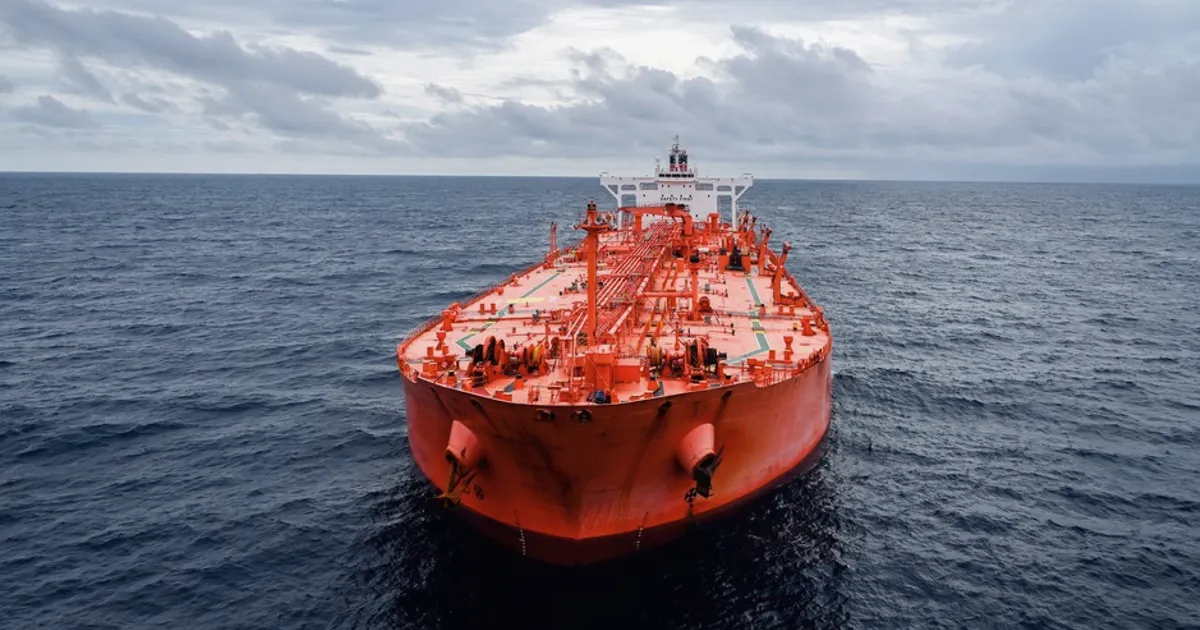
Oil markets saw a brief boost after the US and Iranian presidents signed a memorandum of understanding to end the war, with shares rising and oil prices dipping. However, the sustainability of this recovery remains uncertain, hinging on the full resumption of shipping through the Strait of Hormuz, a critical chokepoint for global crude flows.
The Iran framework agreement provided an immediate lift to risk sentiment, pushing equity markets higher and weighing on oil prices as traders priced in a potential easing of supply disruptions. Yet, the actual impact on physical oil markets will depend on whether tanker traffic through the Strait of Hormuz normalizes. According to maritime intelligence firm Windward, there were signs of traffic beginning to revive on June 18, with 18 vessels transiting the strait shortly after the deal was announced. For traders tracking these developments, NowPrice's live fuel dashboard offers real-time updates on shipping flows and price movements.
Looking ahead, the key question is whether the peace deal holds and translates into sustained shipping activity. If the strait remains partially blocked, oil prices could rebound on supply concerns. Traders should monitor daily transit data and any further diplomatic developments, as well as OPEC+ production decisions that could amplify or offset the impact of resumed Iranian exports.