




Oil Stockpiles Near Danger Zone, Warns Analyst Dan Dicker
Analyst Dan Dicker warns that global oil stockpiles are critically low due to supply disruptions, and if inventories continue to fall, crude prices could surge to $135 a barrel.
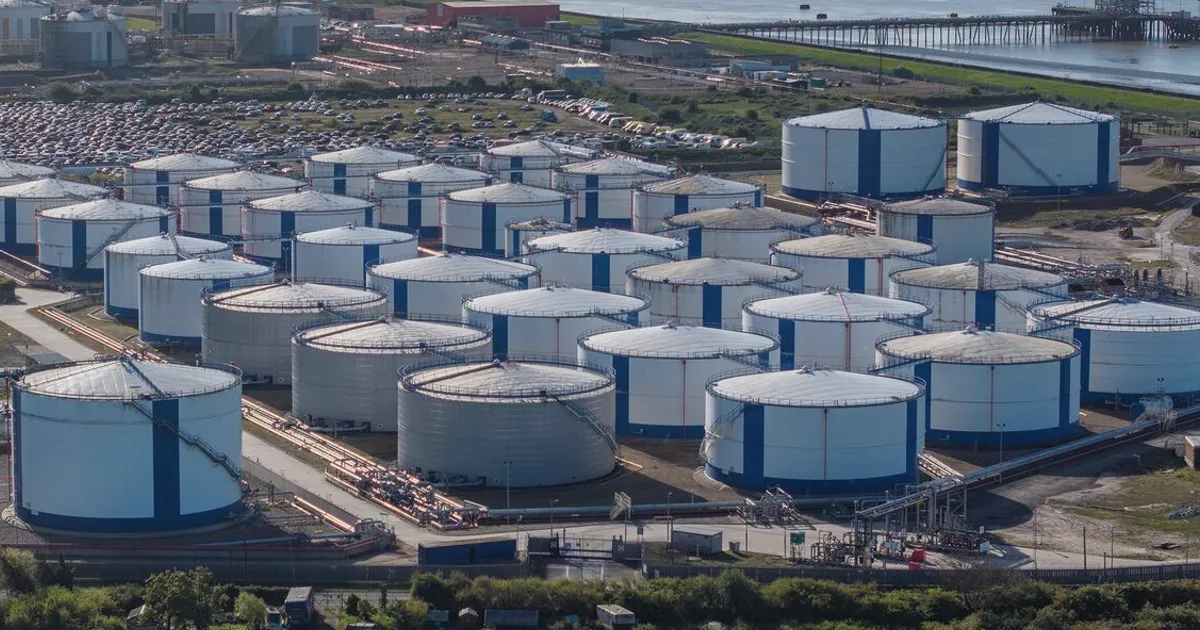
Energy markets expert Dan Dicker has warned that global oil stockpiles are approaching a danger zone, with ongoing supply disruptions drawing down inventories significantly. Speaking on Bloomberg This Weekend, Dicker cautioned that if the trend continues, crude prices could surge from current levels to as high as $135 a barrel. This warning comes as the Brent-WTI spread has widened, reflecting regional supply tightness, while U.S. Strategic Petroleum Reserve levels remain near their lowest since the 1980s after last year's historic releases. The backwardation structure in futures markets—where near-term contracts trade at a premium to later ones—signals that physical supply is scarce, incentivizing inventory draws rather than storage.
For oil and energy commodities traders, the warning highlights a tightening supply-demand balance. Millions of barrels per day remain unable to reach end markets due to geopolitical tensions and infrastructure constraints, while demand holds steady, particularly from China where marginal demand growth continues to absorb available barrels. This has led to a sustained draw on global inventories, pushing stockpiles toward critically low levels. OPEC+ spare capacity, largely held by Saudi Arabia and the UAE, is estimated at around 3-4 million barrels per day, but much of that is heavy sour crude that may not match the light sweet grades being disrupted. Meanwhile, crack spreads—the profit margin for refining crude into products—have widened, indicating that product markets are also tight. Traders should monitor real-time fuel quotes on NowPrice for the latest price movements as the situation evolves.
Looking ahead, the key question is whether supply disruptions will ease or worsen. If inventories continue to fall, the market could face a sharp price spike. Traders will watch weekly inventory reports from the U.S. Energy Information Administration and OPEC+ production decisions for clues on future supply. Saudi-Russia coordination remains crucial, as any disagreement could lead to a sudden increase in output, while further geopolitical shocks could deepen the deficit. The contango-to-backwardation shift in the forward curve will be a critical indicator: a sustained backwardation would confirm that the market is pricing in persistent scarcity. Any further disruption could accelerate the move toward $135 crude.