




Oil Tankers Exit Dark Mode as Strait of Hormuz Reopens Tentatively
A growing number of oil tankers are broadcasting positions to pass through the Strait of Hormuz, signaling a tentative recovery in traffic after a US-Iran peace deal memorandum.
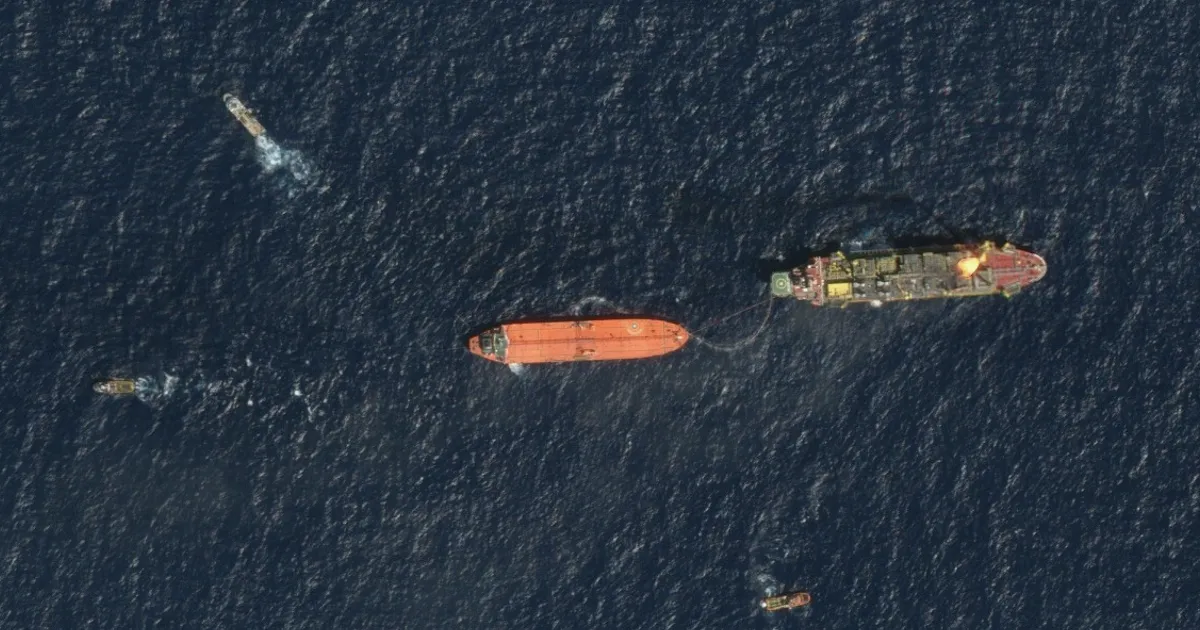
A growing number of oil tankers have begun broadcasting their positions and intentions to pass through the Strait of Hormuz in recent hours, marking a tentative recovery of traffic through the critical chokepoint. This shift comes after the United States and Iran signed a memorandum of understanding to negotiate a peace deal, easing tensions that had pushed many vessels into operating in 'dark mode' with transponders and AIS positioning switched off.
For oil and energy traders, the resumption of normal navigation through the Strait of Hormuz is a significant development. The waterway handles about 20% of the world's oil supply, and the previous reliance on dark mode — once a hallmark of Iran's sanction-evading tactics — had become mainstream in the Persian Gulf and Gulf of Oman, raising insurance costs and supply uncertainty. As tankers emerge from stealth, the risk premium embedded in crude prices may diminish, potentially weighing on benchmark grades like Brent and WTI. Traders can monitor real-time fuel quotes on NowPrice for the latest price action.
Looking ahead, the key question is whether the tentative reopening becomes sustained. Full normalization of traffic would require a formal peace agreement and credible guarantees from both sides. Market participants will watch for further diplomatic progress and any signs of renewed disruptions, as the region remains volatile. The next few weeks will be critical in determining whether the Strait of Hormuz returns to its role as a reliable artery for global oil flows.