




Permian Gas Glut Forces Producers to Pay Buyers to Take Supply
Natural gas in the Permian Basin has become so abundant that prices turned negative, with producers paying buyers to take supply as pipeline capacity fails to keep pace with output.
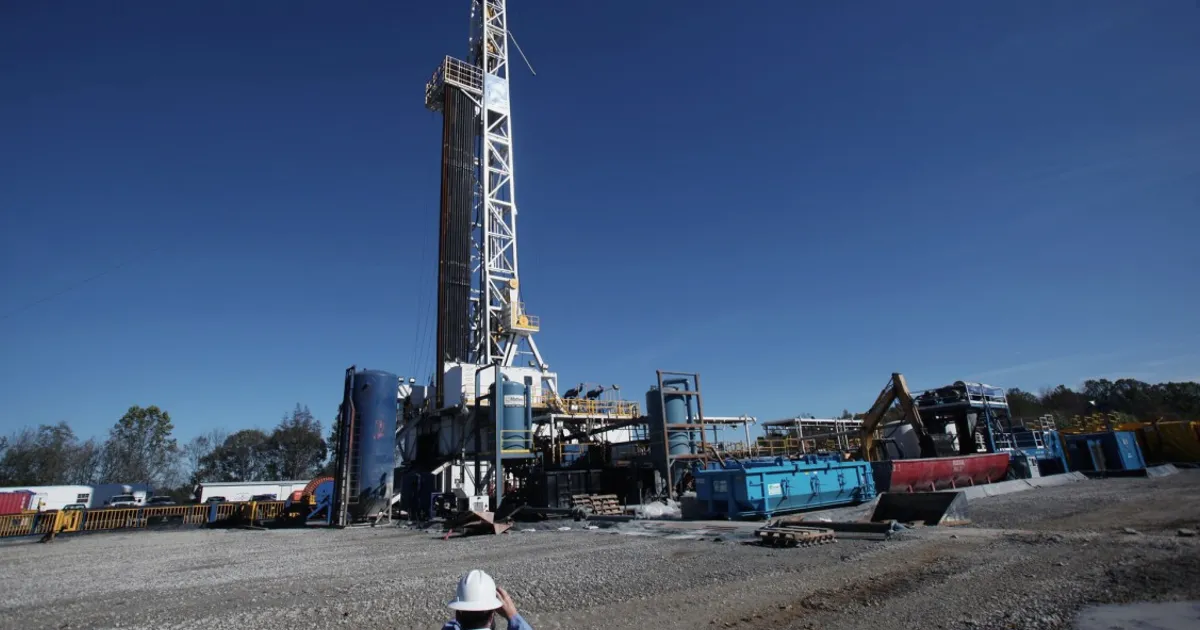
Natural gas producers in the Permian Basin of West Texas and New Mexico are facing an unprecedented glut, with prices turning negative as supply overwhelms available pipeline capacity. According to a Bloomberg report cited by OilPrice, Permian gas hit an all-time low on April 29, forcing producers to pay buyers to take the fuel off their hands. The situation highlights a stark contrast with global gas markets, where geopolitical tensions have choked supplies and led to rationing in parts of Europe and Asia.
For energy traders, the Permian gas glut underscores the critical role of infrastructure in balancing regional supply and demand. The basin's prolific output, driven by associated gas from oil drilling, has outpaced pipeline takeaway capacity, leading to negative pricing. This dynamic can distort benchmark prices like Henry Hub and widen regional basis differentials, creating both risks and opportunities for traders. Those with access to storage or flexible transport can capitalize on the dislocation, while producers face margin compression. NowPrice's fuel page provides real-time pricing data to help traders track these regional divergences.
Looking ahead, the resolution of the Permian glut hinges on new pipeline projects and potential production curtailments. Several pipeline expansions are in the pipeline, but until they come online, negative pricing may persist. Traders should watch for updates on pipeline permitting and any signs of voluntary output cuts by producers. Meanwhile, global gas markets remain tight, keeping the arbitrage window open for US LNG exports, which could eventually absorb some of the excess supply.