




US Mortgage Rates Steady as Energy-Driven Inflation Surges
US mortgage rates held steady this week even as surging energy costs pushed inflation higher, suggesting the housing market may be absorbing the shock.
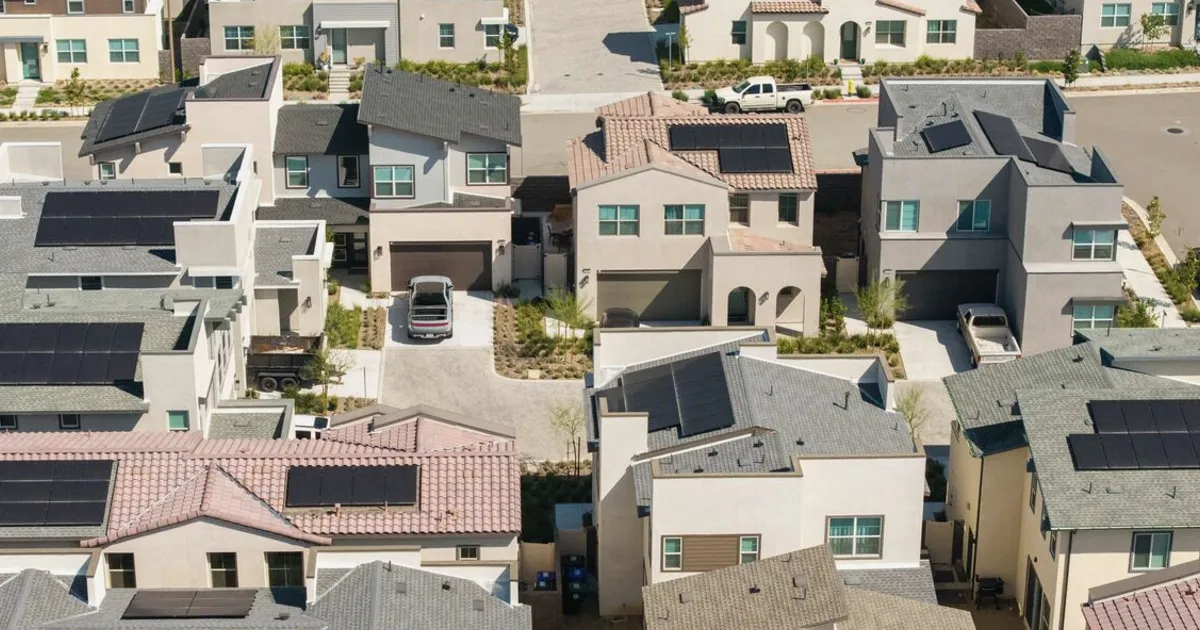
US mortgage rates remained largely unchanged this week, defying expectations that surging energy costs would push borrowing costs higher. The stability comes as inflation, driven by rising oil and gas prices, continues to pressure the broader economy. The average rate on a 30-year fixed mortgage edged up just 2 basis points to 6.87%, according to Freddie Mac, even as West Texas Intermediate crude futures climbed above $85 per barrel amid OPEC+ production cuts and geopolitical tensions in the Middle East. The Brent-WTI spread widened to nearly $4, reflecting supply concerns in the North Sea, while US Strategic Petroleum Reserve levels remain near 40-year lows at around 370 million barrels, limiting the government's ability to intervene. Crack spreads—the difference between crude oil and refined product prices—have surged, with gasoline margins exceeding $30 per barrel, signaling tight refining capacity that could keep fuel costs elevated.
For energy commodity traders, the resilience of mortgage rates signals that the housing sector may be weathering the inflation storm, at least for now. However, if energy prices continue to climb, the Federal Reserve may be forced to maintain a hawkish stance, which could eventually spill over into higher mortgage rates. The current backwardation in crude futures—where near-term contracts trade at a premium to later months—suggests immediate supply tightness, while China's marginal demand for crude remains subdued due to a slow economic recovery, partially offsetting OPEC+ cuts. Saudi Arabia and Russia have extended their voluntary output reductions through year-end, keeping global inventories drawn down. Traders can track real-time movements in fuel prices on NowPrice's live dashboard to gauge the ongoing impact on inflation expectations.
Looking ahead, market participants will focus on upcoming data releases, including the Consumer Price Index and Fed meeting minutes, for clues on the central bank's policy path. Any further escalation in energy supply disruptions could reignite rate volatility, making the housing market a key sector to watch in the coming weeks. The contango structure in heating oil futures has flattened, indicating potential for seasonal demand spikes as winter approaches. If OPEC+ spare capacity—estimated at around 5 million barrels per day—is not deployed, crude prices could test $100, forcing the Fed to reconsider rate cuts. The interplay between energy markets and mortgage rates will remain a critical dynamic for traders monitoring both commodity and fixed-income exposures.