




Philippines Returns to Global Bond Market as Oil Pressure Eases
The Philippines returned to the global bond market for the second time this year, capitalizing on lower borrowing costs amid optimism over a potential US-Iran agreement that could ease oil supply concerns.
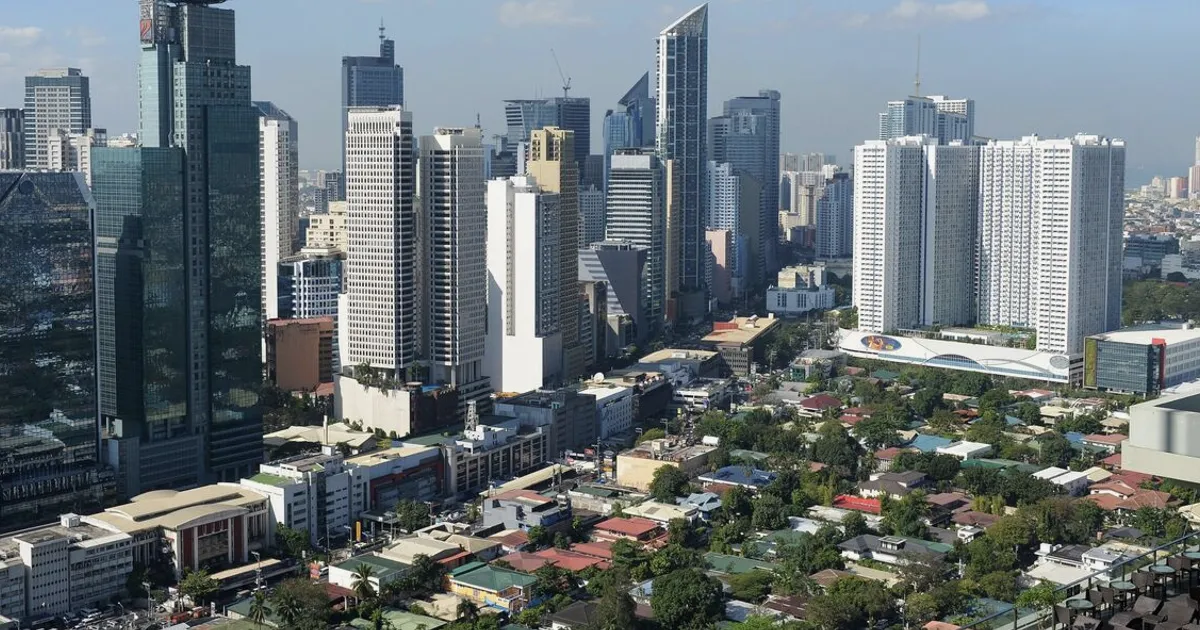
The Philippines has returned to the international bond market for the second time in 2026, issuing debt to fund government spending as borrowing costs declined. The move comes amid growing optimism that a potential agreement between the United States and Iran could ease geopolitical tensions and reduce oil supply risks, which have been a key driver of market volatility.
For energy commodity traders, the Philippines' bond sale signals a broader shift in risk sentiment. Lower oil prices, driven by expectations of increased supply from Iran if sanctions are lifted, have helped compress sovereign yield spreads for oil-importing nations like the Philippines. This dynamic directly affects fuel markets: cheaper crude reduces input costs for refiners and can narrow crack spreads, while also easing inflationary pressures that influence central bank policy. Traders tracking fuel prices can check NowPrice's fuel page for current pricing context.
Looking ahead, market participants will monitor US-Iran negotiations closely, as any breakthrough could further depress oil prices and reshape supply-demand balances. The Philippines' successful bond issuance may also encourage other emerging-market borrowers to tap international markets, potentially increasing liquidity in sovereign debt. Key data to watch include weekly US crude inventory reports and OPEC+ production figures, which will provide further clues on oil price direction.