




Putin calls Zelensky 'mister' as Morgan Stanley flags peace shift
Putin addressed Zelensky as 'mister' for the first time, which Morgan Stanley interprets as a signal of shifting peace negotiations, potentially impacting energy markets.
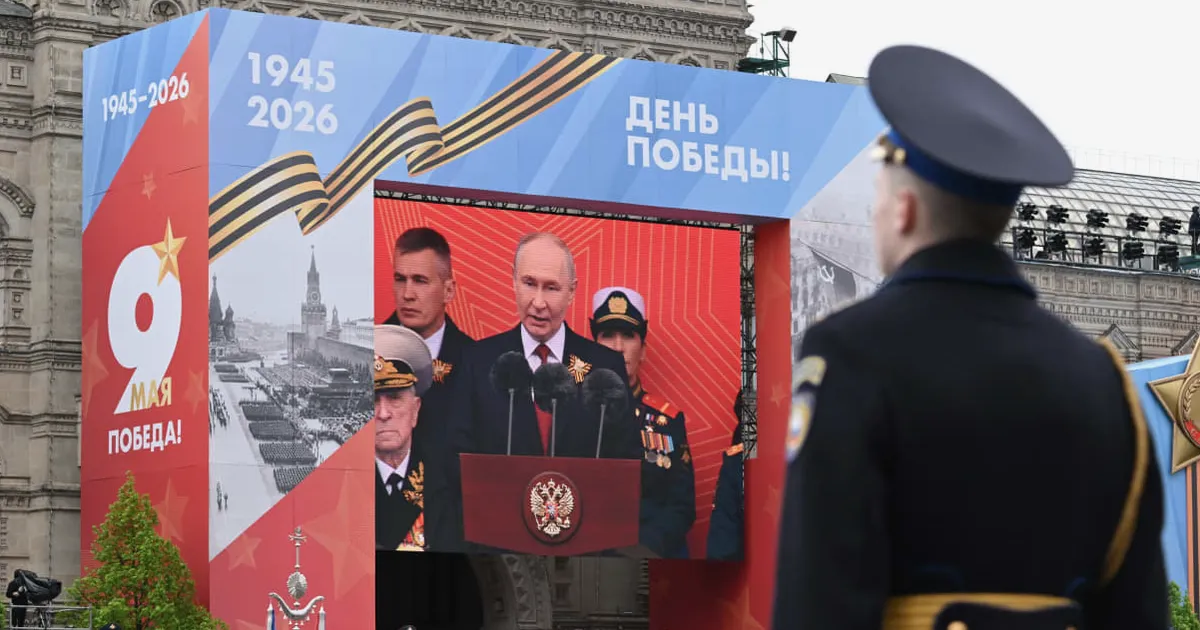
For the first time since the start of the war, Russian President Vladimir Putin referred to Ukrainian President Volodymyr Zelensky as 'mister' during a public address, a shift in rhetoric that Morgan Stanley analysts say could signal a genuine move toward peace negotiations. The change in tone comes after more than four years of conflict, during which markets have largely priced in the ongoing war. However, any lasting peace agreement would have profound implications for global energy markets, particularly for oil, gas, and fuel prices.
A peace deal could lead to the easing of Western sanctions on Russia, potentially bringing more Russian oil and gas back to global markets. This would increase supply, putting downward pressure on crude prices. Conversely, the removal of sanctions could also reduce risk premiums that have kept energy prices elevated. For fuel traders, the prospect of peace introduces significant uncertainty: while lower oil prices might benefit consumers, they could hurt producers and impact refining margins. NowPrice's live fuel prices and charts show how the market is reacting to these geopolitical developments in real time.
Traders should watch for concrete steps toward a ceasefire or peace agreement, as well as any signals from the EU and US regarding sanctions relief. Key data to monitor include Russian oil export volumes, OPEC+ production decisions, and changes in the Brent-WTI spread. A sustained shift in rhetoric could lead to increased volatility in energy markets, with potential for sharp moves in crude and refined product prices. The coming weeks will be critical in determining whether this diplomatic signal translates into tangible market impacts.