




Rosneft Proposes 30% Domestic Refining Requirement to Ease Russia Fuel Crunch
Rosneft CEO Igor Sechin proposes requiring oil firms to refine at least 30% of their crude domestically to ease Russia's fuel supply crisis, as reported by Kommersant.
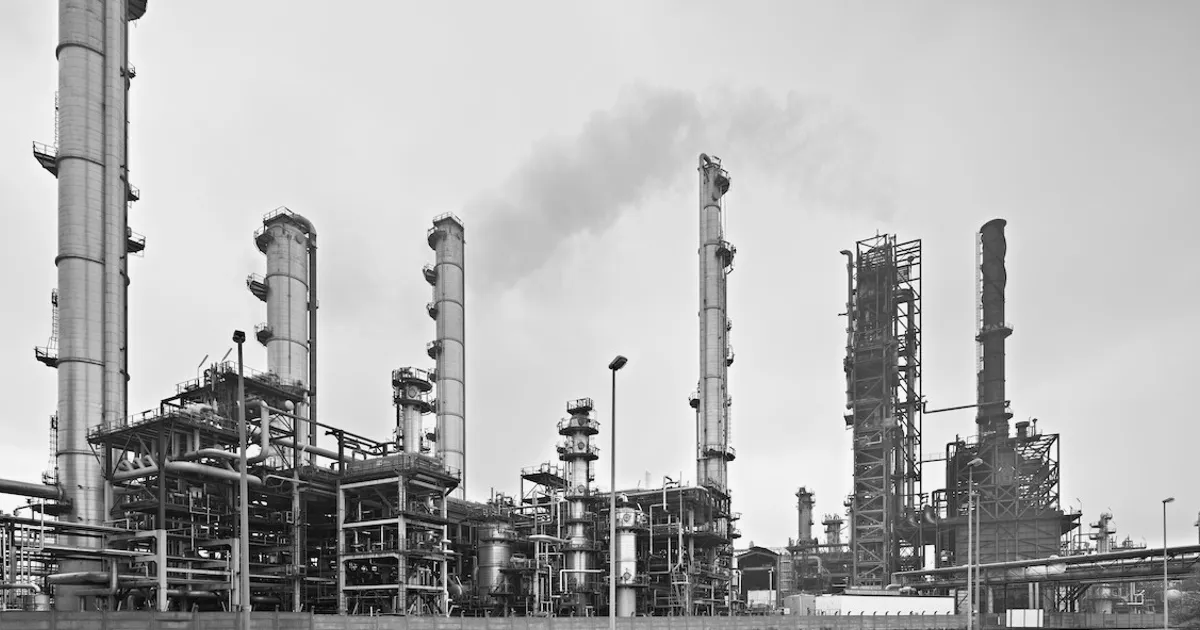
Rosneft CEO Igor Sechin has proposed that Russian oil companies be required to refine at least 30% of their crude oil production domestically to address the country's ongoing fuel supply crisis. The proposal was outlined in a letter sent to President Vladimir Putin at the end of May, as reported by Russian daily Kommersant on Wednesday. Sechin also suggested temporarily eliminating resellers from the sales chain and implementing other measures to stabilize the fuel market.
The initiative comes amid a persistent fuel crunch in Russia, driven by a combination of refinery maintenance, export incentives, and domestic price controls that have squeezed margins for producers. By mandating a minimum domestic refining quota, the government could ensure more gasoline and diesel remain within the country, potentially easing supply shortages. For global energy markets, such a policy could reduce Russian crude exports while increasing exports of refined products, altering trade flows. Traders should monitor how this proposal evolves, as it could impact the Brent-WTI spread and refinery margins in Europe and Asia.
Looking ahead, the market will focus on Putin's response to Sechin's letter and any subsequent government decrees. Key factors to watch include the timing of implementation, the specific mechanics of the refining quota, and the impact on Russian crude output. Additionally, the upcoming OPEC+ meeting and seasonal demand patterns will influence global oil prices. For real-time pricing context on crude and refined products, check NowPrice's fuel page for the latest updates on Russian export dynamics and global fuel benchmarks.