




Russia Expands LNG Dark Fleet With 19-Year-Old Tanker
A 19-year-old LNG tanker loaded blacklisted fuel at a US-sanctioned storage unit in Murmansk, signaling Russia's push to expand LNG exports despite Western sanctions.
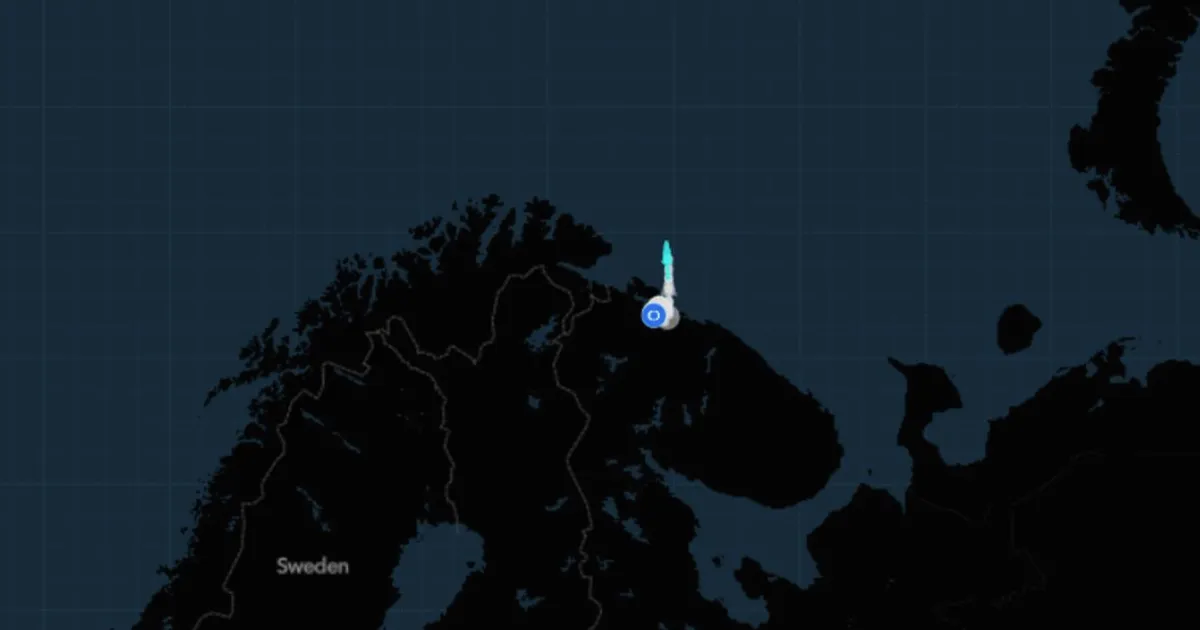
A 19-year-old liquefied natural gas tanker has loaded blacklisted fuel at a US-sanctioned storage unit in Russia's Murmansk region, marking the latest sign of Moscow's efforts to expand LNG exports despite Western sanctions.
The vessel, identified as part of Russia's so-called dark fleet, docked at the sanctioned storage facility and took on cargo of LNG, according to ship-tracking data. This is the first time this particular tanker has been observed loading blacklisted fuel, highlighting the growing sophistication of Russia's efforts to circumvent trade restrictions. The dark fleet refers to aging vessels that operate outside conventional insurance and regulatory frameworks, often used to transport sanctioned commodities.
For energy traders, the expansion of Russia's LNG dark fleet adds a layer of complexity to global gas markets. While the volumes involved remain relatively small, the ability to move sanctioned LNG increases supply uncertainty and can influence regional price differentials. NowPrice's live fuel prices and charts show how the market is reacting to these developments, with European gas benchmarks remaining sensitive to any signs of disrupted supply flows. The use of older tankers also raises environmental and safety concerns, which could affect insurance costs and shipping availability.
Looking ahead, traders will monitor whether more vessels join the dark fleet and how Western regulators respond. The US and EU have increasingly targeted ancillary services such as insurance and ship registration to tighten the sanctions net. Any escalation in enforcement could further constrain Russia's export capacity, while successful evasion could encourage other sanctioned producers to adopt similar tactics. Key data points to watch include LNG cargo tracking, changes in the Brent-WTI spread, and any policy announcements from the G7 or EU regarding secondary sanctions on shipping.