




Russia Fuel Shortages Worsen After Ukraine Drone Strikes on Refineries
Over 50 Russian regions face severe fuel shortages as Ukrainian drone strikes and sanctions cut refining capacity by 20-30%, threatening domestic supply and global diesel markets.
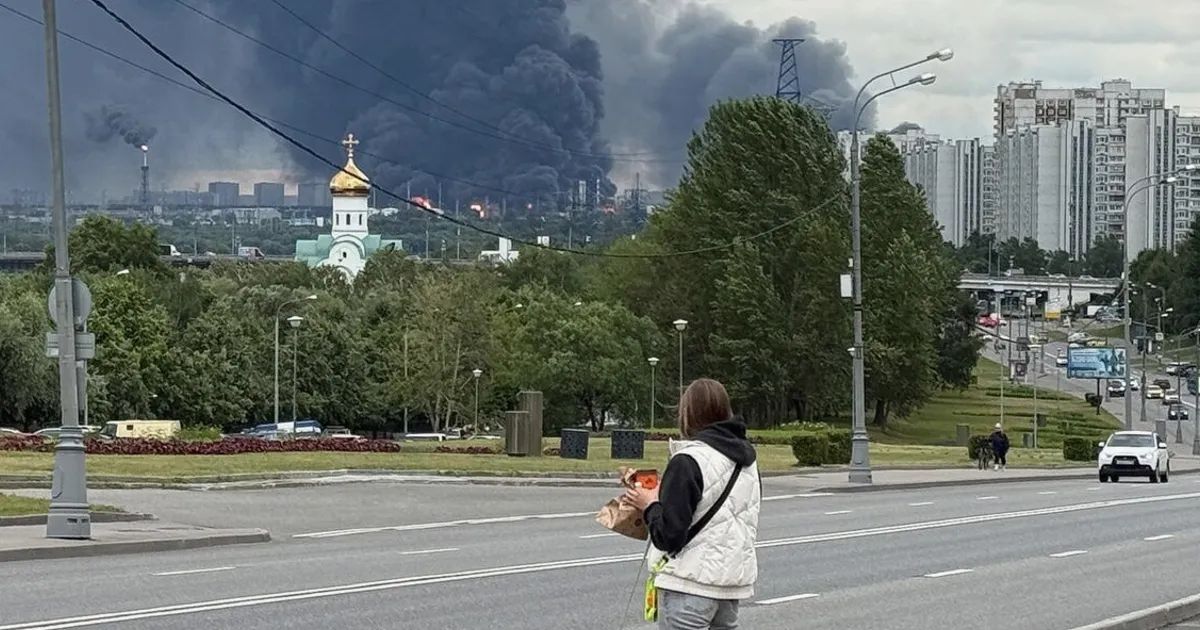
Over 50 regions in Russia are experiencing severe fuel shortages, driven by a combination of long-range sanctions and targeted Ukrainian drone strikes on Russian oil refineries and ports. According to Bloomberg, these disruptions have slashed Russia's refining capacity by an estimated 20-30%, creating a domestic supply crisis for the world's second-largest oil producer. The attacks have primarily targeted key refining infrastructure, reducing output of diesel and gasoline just as summer demand peaks. This is a significant shift for a country that typically exports substantial volumes of refined products, and the loss of capacity is now forcing domestic rationing in some areas.
For energy traders, this development tightens global diesel supplies, especially as European buyers have already shifted away from Russian product. The reduced Russian exports could support refining margins and widen the Brent-Diesel crack spread, which measures the profit from converting crude into diesel. With global diesel inventories already low, any further supply loss could amplify price volatility. Meanwhile, the Brent-WTI spread may also react as U.S. crude competes for market share. Traders can track these price moves in real time on NowPrice's live fuel dashboard. The situation is further complicated by OPEC+ spare capacity dynamics: while Saudi Arabia and Russia coordinate production cuts, Russia's domestic refining issues could reduce its crude output, potentially tightening global crude markets. However, if Russia diverts crude to exports instead of refining it, that could weigh on crude benchmarks. The U.S. Strategic Petroleum Reserve (SPR) remains at lower levels after last year's releases, limiting the government's ability to intervene in case of supply shocks. China's marginal demand, which has been sluggish, could also influence global balances if it picks up.
Looking ahead, the sustainability of Ukraine's drone campaign and the pace of Russian repair efforts will be critical. Any further strikes could deepen the shortage, while successful repairs might ease pressure. Additionally, the impact on Russian crude exports remains a key variable, as reduced domestic refining could free up more crude for export, potentially weighing on global crude benchmarks. The market is also watching for signs of contango or backwardation in crude futures, which would indicate whether traders expect oversupply or shortage. If Russian crude exports rise, it could push the market into contango, encouraging storage. Conversely, if refining capacity remains impaired, diesel shortages could persist, supporting backwardation in product markets. Traders should monitor weekly inventory reports and geopolitical developments for clues on the next move.