




Russia Gasoline Crunch Spreads After Refinery Drone Attacks
At least two-thirds of Russia's regions face fuel rationing or supply disruptions after Ukrainian drone strikes on refineries, worsening the gasoline crunch.
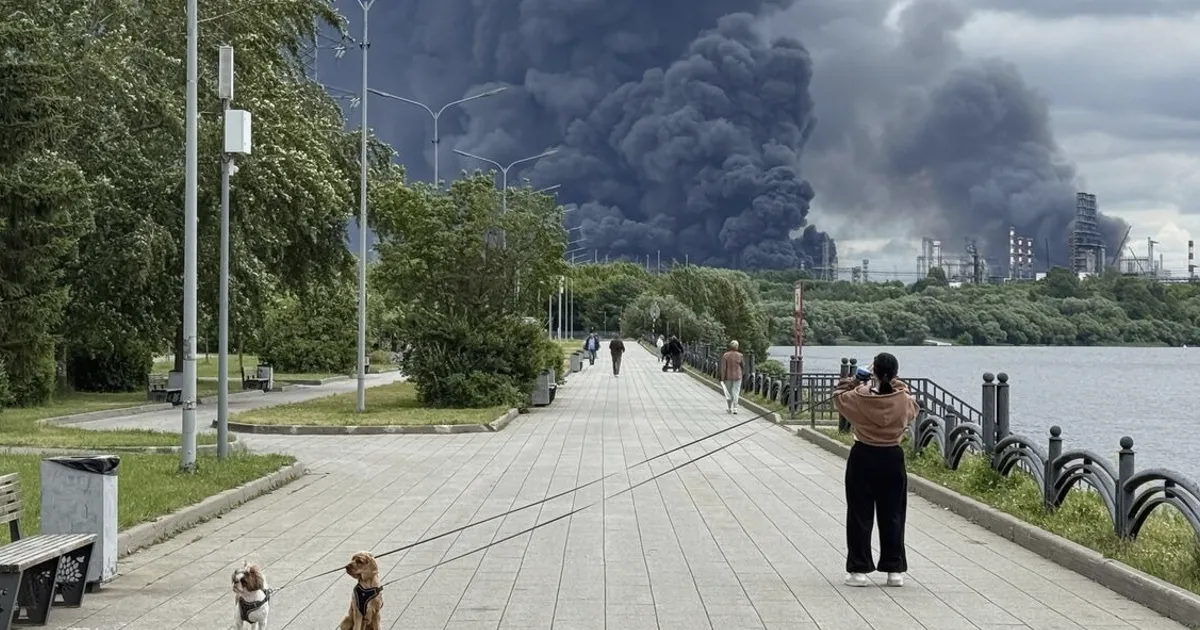
Russia's gasoline crunch is worsening, with at least two-thirds of the country's regions introducing fuel rationing or suffering supply disruptions following relentless Ukrainian drone attacks on refineries. The attacks have knocked out significant refining capacity, reducing domestic fuel output and straining distribution networks across the vast country. This supply squeeze comes as Russia's refining system, already under strain from sanctions and maintenance, faces a wave of precision strikes that have idled key units. The resulting shortages have prompted regional authorities to limit fuel purchases and prioritize essential services, highlighting the severity of the disruption.
For energy commodity traders, this supply squeeze in one of the world's largest oil producers has direct implications for global fuel markets. Russia, a major exporter of refined products, may be forced to cut exports to prioritize domestic needs, tightening global gasoline and diesel supplies. This could support refining margins and widen crack spreads, particularly in Europe and Asia, which rely on Russian product flows. The Brent-WTI spread may also react as crude differentials adjust to shifting product balances. Meanwhile, OPEC+ spare capacity remains a key variable; if Russia's export cuts persist, Saudi Arabia and other producers could increase crude output to compensate, though this would not directly alleviate product shortages. The US Strategic Petroleum Reserve, currently at its lowest level in decades, offers limited buffer for crude, while product inventories in key regions remain vulnerable. China's marginal demand for refined products, driven by its economic recovery, could further tighten global balances if Russian exports decline. Live fuel prices and charts on NowPrice show how the market is reacting to these supply risks.
Looking ahead, traders will monitor the pace of refinery repairs and the extent of further drone strikes. Any prolonged disruption could force Russia to import gasoline, a rare move, or accelerate the shift in global trade flows. The situation also highlights the vulnerability of energy infrastructure in conflict zones, a factor that may keep risk premiums elevated for refined products in the near term. Additionally, the contango or backwardation structure of futures curves will reflect market expectations for supply tightness. If backwardation deepens, it signals immediate scarcity, while a shift to contango could indicate easing. Saudi-Russia coordination within OPEC+ will be crucial; any disagreement over production levels could amplify price volatility. Traders should watch for signs of Russian product export bans or changes in refinery throughput data, as these will determine the duration and magnitude of the supply disruption.