




Russia Rations Gasoline in Moscow After Ukrainian Drone Strikes
Russia, a top oil exporter, is rationing gasoline in Moscow after Ukrainian drone strikes crippled refinery capacity, triggering shortages and raising supply concerns.
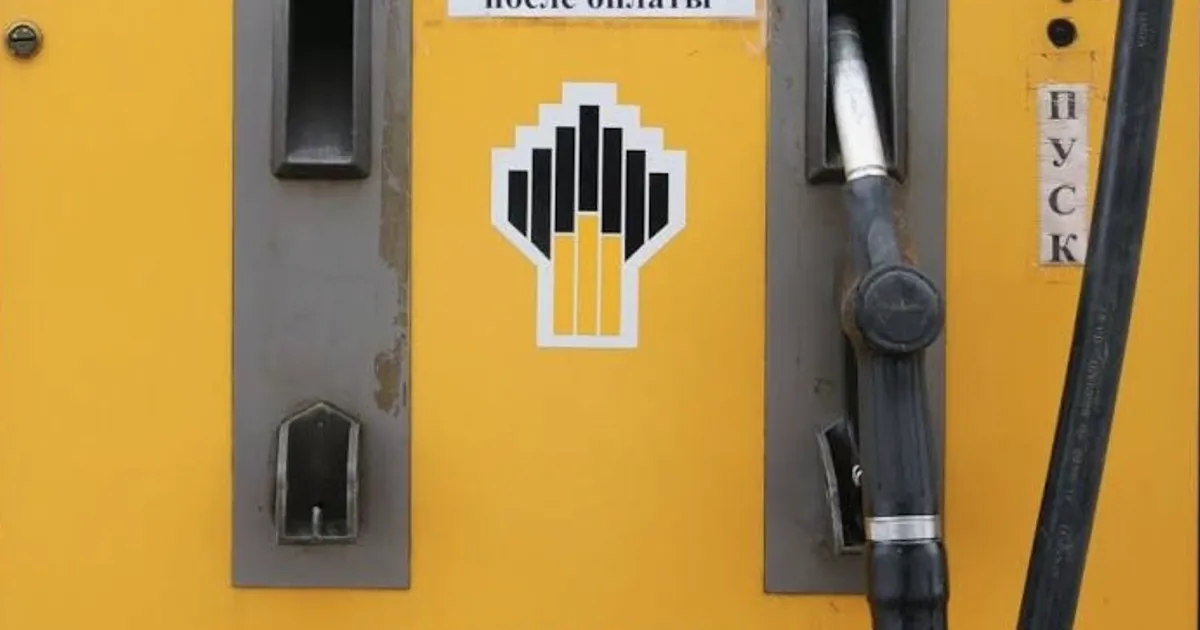
Russia, one of the world's largest oil producers and exporters, is now rationing gasoline in its own capital, Moscow, after a series of Ukrainian drone strikes crippled key refining infrastructure.
The shortages have forced major fuel retailers to limit sales to consumers, with authorities scrambling to maintain supply. The attacks, which have intensified over recent months, have steadily eroded Russia's refining capacity. The latest strike hit Gazprom Neft's Moscow refinery, compounding existing damage to the country's fuel production network. As a result, gasoline supplies have tightened, leading to queues and purchase limits at stations across the capital. The situation highlights the vulnerability of Russia's downstream energy sector to precision strikes, even as the country remains a dominant crude oil exporter.
For energy traders, this development underscores the growing risk premium on Russian refined products. The disruption to domestic refining could force Russia to reduce crude exports or increase imports of finished fuels, potentially tightening global gasoline markets. NowPrice's live fuel prices and supply-demand indicators show how the market is reacting to the evolving situation. The rationing also raises questions about Russia's ability to maintain its export commitments if refining capacity continues to be degraded. Traders should monitor further drone activity and any emergency measures from Moscow, such as export restrictions or strategic reserve releases, which could impact global fuel supply balances.
Looking ahead, the key factors to watch are the pace of refinery repairs, the frequency of Ukrainian strikes, and any policy response from the Kremlin. If attacks persist, Russia may be forced to prioritize domestic supply over exports, potentially widening crack spreads and supporting refined product prices globally. Conversely, a diplomatic resolution or successful repairs could ease the pressure. The situation remains fluid, with the potential for further escalation as both sides adapt their strategies.