




Russia Turns Asia’s Oil Shock Into an Indonesian Opening
Russia is capitalizing on the US-Iran conflict by gaining new Asian crude buyers after Washington waived sanctions on Russian barrels in March 2026.
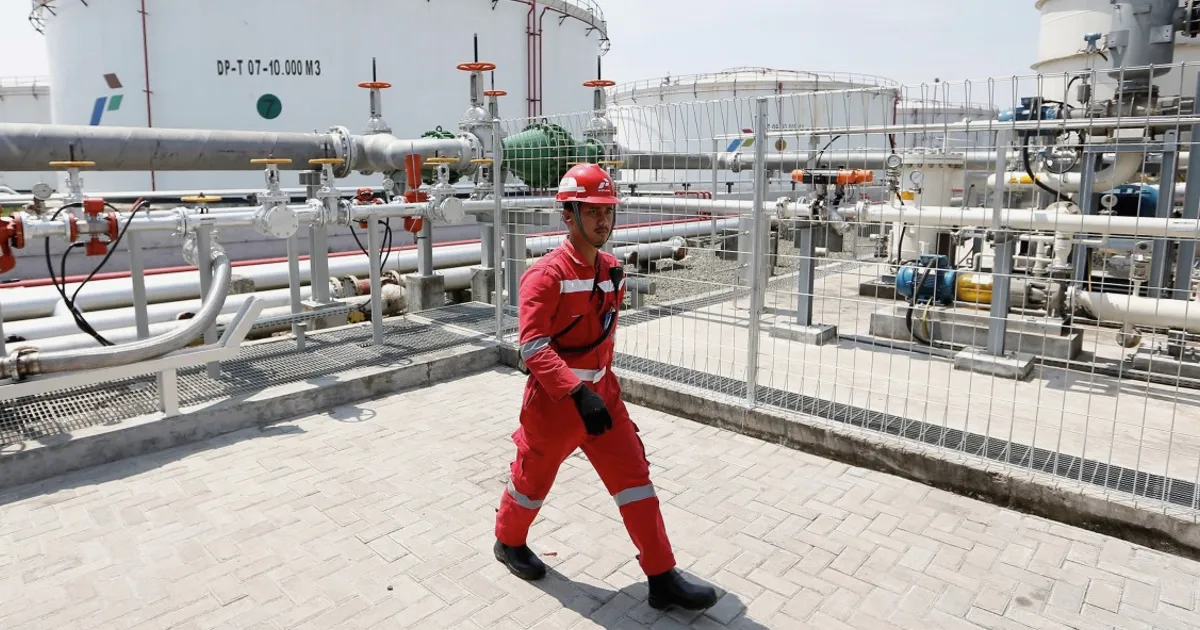
Russia has emerged as a clear commercial beneficiary of the US-Israel war with Iran, turning Asia's oil supply shock into an opening in Indonesia. Before March 2026, buying Russian crude was widely treated as a sanctions risk that only Chinese and, to a lesser extent, Indian private companies could comfortably absorb. The first US waiver for Russian barrels, announced on March 12, changed that calculation. It showed that, during a major Middle Eastern supply disruption, Asia could not balance its oil market without Russian crude, and even Washington was aware of that.
For oil and energy traders, this shift is significant. The US waiver effectively legitimizes Russian crude for a broader set of Asian buyers, reducing the risk premium associated with Russian barrels. This could narrow the discount of Urals crude relative to Brent, altering the arbitrage dynamics for refiners in Asia. Traders can monitor these price moves on NowPrice's live fuel dashboard to track the evolving spread between Russian and benchmark grades. The move also underscores the fragility of global oil supply chains, where geopolitical tensions in the Middle East force even sanctioning powers to adapt.
Looking ahead, the key question is whether the US will extend or expand the waiver beyond the current emergency. If more Asian nations follow Indonesia's lead, Russian crude exports could see a structural shift toward new markets. Meanwhile, the pace of Gulf supply recovery and any further escalation in the US-Iran conflict will be critical to watch. Traders should also monitor OPEC+ meetings for potential output adjustments that could offset or amplify these dynamics.