




Russian Refinery Disruptions Ripple Across Central Asian Fuel Markets
Disruptions to Russian refineries from the Ukraine war are driving fuel price spikes across Central Asia, with governments seeking alternative supply sources.
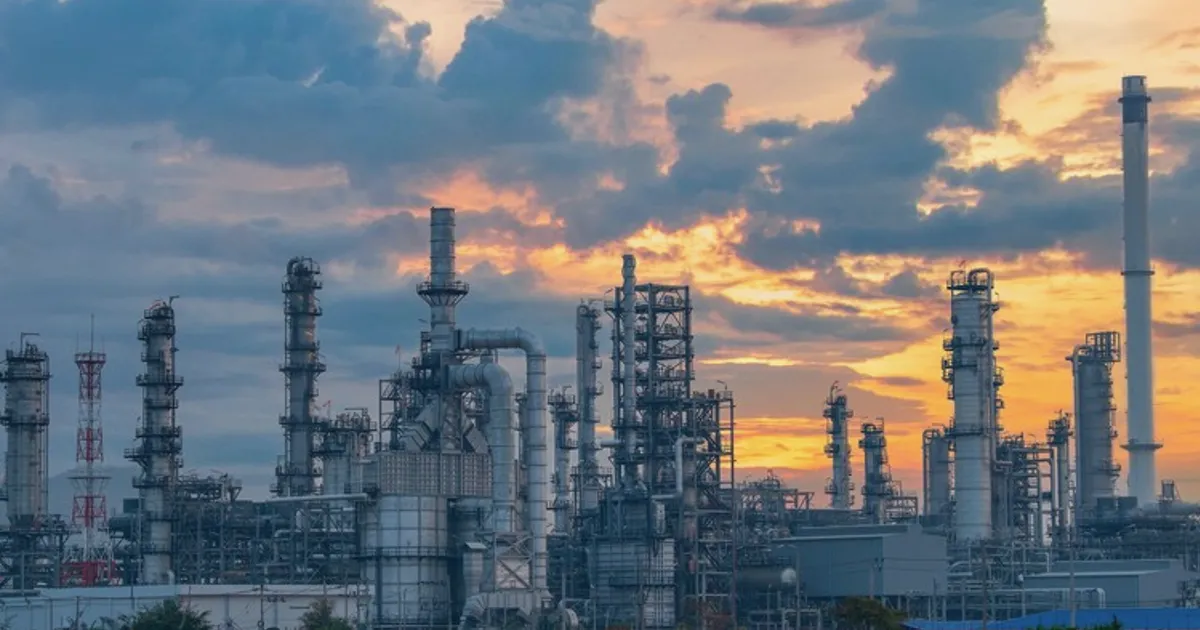
Disruptions to Russia's energy sector from its war with Ukraine are sending shockwaves through Central Asian fuel markets, with prices rising sharply and governments scrambling to secure alternative supplies.
Russian refinery outages, caused by Ukrainian drone strikes and maintenance issues linked to sanctions, have tightened fuel supply in the region. Central Asian countries like Kyrgyzstan and Kazakhstan, which rely heavily on Russian fuel imports, are seeing retail prices climb. Daniyar Amangeldiev, first deputy prime minister of Kyrgyzstan, acknowledged that rising fuel prices are unavoidable given the global geopolitical turmoil. Officials are trying to reassure consumers that supplies will be sufficient and prices will eventually stabilize once global disruptions ease. For traders tracking fuel markets on NowPrice, the real-time price data shows the immediate impact of these supply constraints on regional pump prices.
These disruptions matter for energy traders because Central Asia is a key transit and consumption hub for Russian refined products. The ripple effects highlight the vulnerability of landlocked economies to supply chain shocks. Refinery outages in Russia can quickly translate into higher import costs for neighboring countries, affecting everything from transportation to agriculture. The situation also underscores the broader shift in global fuel trade flows as sanctions reshape traditional supply routes. Traders should watch for further developments in Russian refinery operations and any diplomatic efforts to secure alternative supply agreements with other producers like Kazakhstan or Iran.
Looking ahead, the key factors to monitor are the pace of Russian refinery repairs, the potential for increased fuel exports from other Caspian region producers, and the response of Central Asian governments in terms of subsidies or price controls. Any escalation in the Ukraine conflict could prolong the disruptions, while a de-escalation might ease supply pressures. Traders should also keep an eye on seasonal demand patterns, as winter heating needs could amplify price spikes in the coming months.