




Senegal Targets $7.5B Gas Project to Cut Energy Subsidies
Senegal's state oil firm announced a $7.5 billion development plan for the Yakaar-Teranga gas field, aiming to eliminate energy subsidies once production begins.
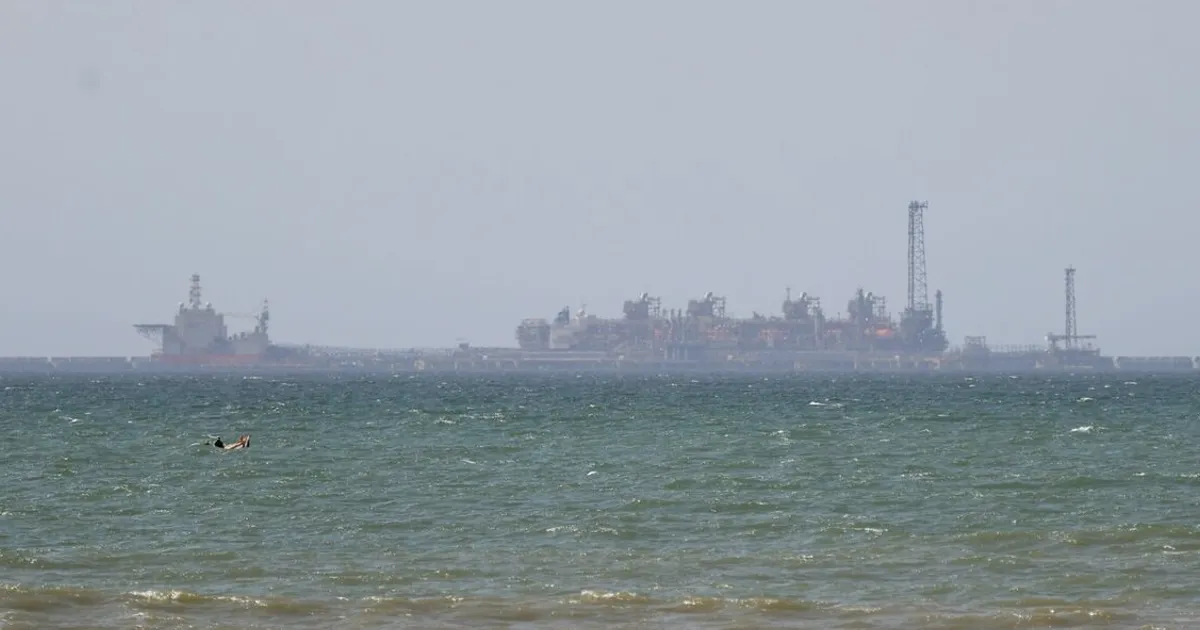
Senegal's state-owned oil company has unveiled a $7.5 billion development plan for the Yakaar-Teranga gas discovery, positioning the project as a key tool to reduce the country's energy subsidies. The announcement underscores Senegal's ambition to transform its energy sector and achieve fiscal sustainability by leveraging its offshore gas resources. The Yakaar-Teranga field, one of the largest gas discoveries in West Africa, holds significant potential to shift Senegal from a net energy importer to a regional exporter. For fuel traders, the development signals a potential increase in global LNG supply in the medium term, which could weigh on prices. However, the project's high capital expenditure and long lead time mean any impact on markets is years away. Traders can monitor current fuel pricing on NowPrice's fuel page for real-time context on how such developments influence regional benchmarks.
This project is particularly significant given the current dynamics in global energy markets. With OPEC+ maintaining production cuts to support prices, and spare capacity concentrated in Saudi Arabia and the UAE, any new non-OPEC supply could gradually shift the balance. The Brent-WTI spread has narrowed recently, reflecting tighter US supply, while global LNG markets remain sensitive to demand from China, the world's largest importer. Senegal's entry as a potential exporter could help alleviate supply concerns in the Atlantic Basin, especially if European buyers seek alternatives to Russian gas. However, the project's economics depend on sustained high gas prices, as the crack spread for LNG—the difference between gas input and product output—must remain attractive to justify the massive upfront investment. Additionally, Senegal's current reliance on energy subsidies, which strain the national budget, underscores the urgency of monetizing its gas reserves to achieve fiscal stability.
Looking ahead, investors will watch for final investment decisions, financing arrangements, and construction milestones. The project's success could also set a precedent for other African nations seeking to monetize gas reserves while reducing subsidy burdens. Key data to track include Senegal's subsidy expenditure trends and progress on LNG infrastructure development. Market participants should also monitor the contango or backwardation structure of gas futures, as this indicates near-term supply-demand balances. Furthermore, the coordination between Saudi Arabia and Russia within OPEC+ will influence global oil and gas prices, affecting the viability of large-scale projects like Yakaar-Teranga. If Senegal can secure financing and execute the project efficiently, it could reduce its subsidy bill by billions of dollars annually, while also contributing to global LNG supply growth by the late 2020s.