




Sinopec Ramps Up Sichuan Shale Gas Drilling to Boost China Energy Security
Sinopec is accelerating shale gas exploration in the Sichuan basin, aiming to boost China's shale gas output by a third by 2030 to reduce reliance on imports.
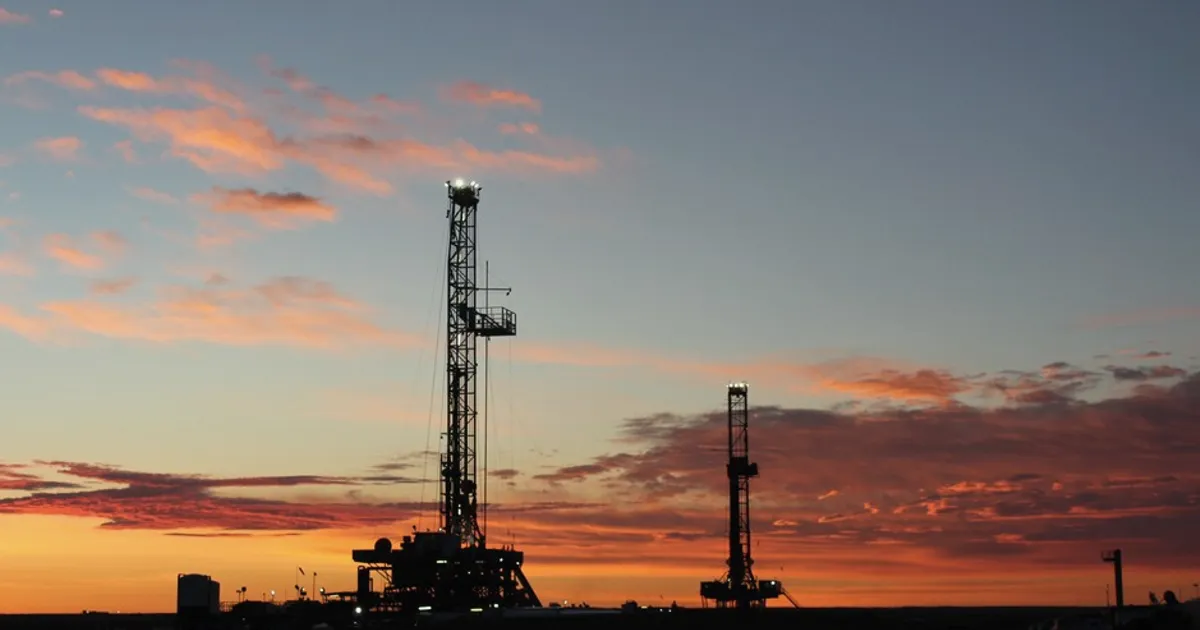
Sinopec, China's state-owned oil and gas major and top refiner, is ramping up exploration in the shale formations of the Sichuan basin as part of Beijing's push to boost domestic energy security. The company aims to increase the country's shale gas production by a third over the next ten years, targeting a total output of 80 to 100 billion cubic meters by 2030. Currently, shale gas accounts for only a tenth of China's total natural gas production, falling short of government targets.
For energy commodity traders, this development signals a potential shift in China's natural gas supply dynamics. If successful, increased domestic shale gas output could reduce China's reliance on liquefied natural gas (LNG) imports, which have been a key driver of global gas prices. The Sichuan basin is one of the most promising shale gas regions in China, but extraction is technically challenging and costly due to complex geology. Sinopec's commitment to ultra-deep drilling highlights the strategic importance of energy self-sufficiency for Beijing, especially amid geopolitical tensions and volatile energy markets. For real-time updates on natural gas prices and other fuel quotes, traders can monitor NowPrice's live data.
Looking ahead, the success of Sinopec's drilling campaign will depend on technological advancements and cost management. Investors should watch for progress reports on well productivity and any government policy adjustments that could accelerate or hinder development. The 2030 target remains ambitious, and any significant breakthroughs in shale gas extraction could reshape China's energy import profile and influence global LNG markets. Additionally, competition from other domestic producers and environmental regulations may impact the pace of expansion.