




Traders Question How Much Iranian Oil Can Really Return to Market
Despite US-Iran talks and a 60-day sanctions waiver easing supply fears, traders remain cautious on how much Iranian oil can realistically return to the global market.
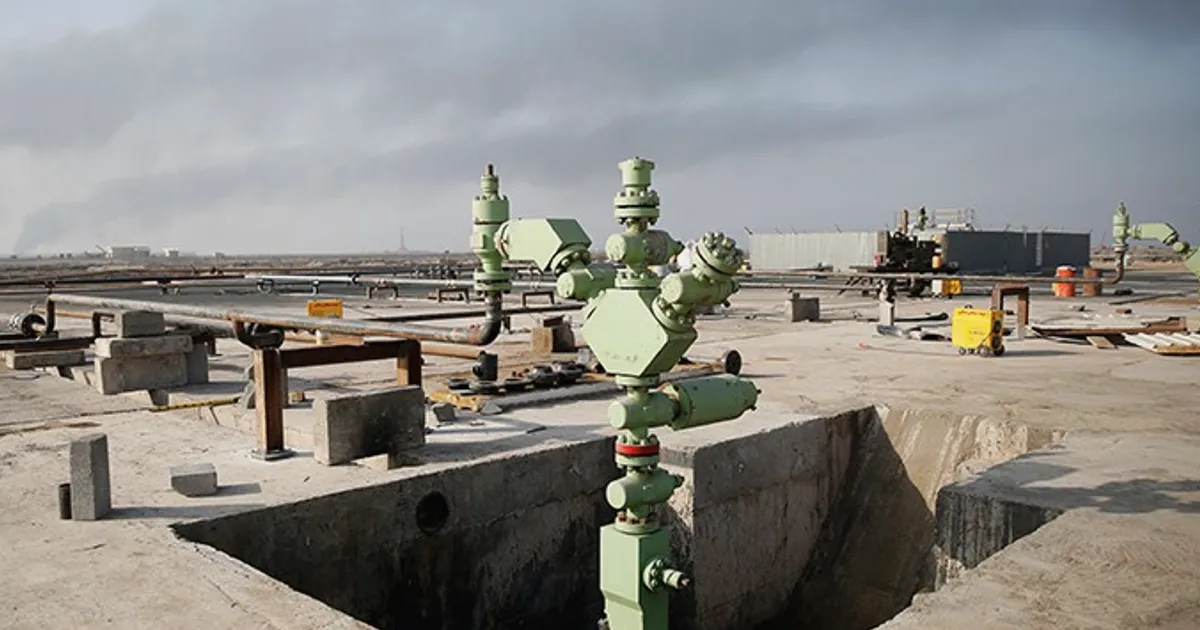
Traders are questioning how much Iranian oil can realistically return to the global market, even as US-Iran talks and a 60-day sanctions waiver have eased immediate supply fears. The uncertainty reflects deep skepticism about Iran's ability to ramp up exports quickly amid ongoing infrastructure and logistical challenges.
The core issue is that while diplomatic progress has raised hopes of increased Iranian supply, the actual volume that could materialize remains highly uncertain. Iran's oil industry has suffered years of underinvestment, and restoring production to pre-sanctions levels would require significant time and capital. Moreover, any return of Iranian barrels would likely be gradual, as buyers and insurers navigate remaining legal and financial risks. For oil traders, this means the potential supply boost may be smaller and slower than initially assumed, limiting the downside pressure on prices. NowPrice's real-time fuel quotes show that crude benchmarks have already priced in some of the easing, but further moves will depend on tangible export data.
Looking ahead, market participants will closely monitor the outcome of US-Iran negotiations and any concrete steps toward lifting sanctions. Key data points include Iran's monthly export volumes, OPEC+ production decisions, and the pace of global demand growth. A rapid return of Iranian oil could weigh on prices, but a prolonged stalemate would keep supply tight. Traders should also watch for any shifts in US policy or geopolitical tensions that could alter the trajectory of Iranian exports.