




Trans Mountain Pipeline Hits Full Capacity as Asian Demand Surges
The Trans Mountain pipeline has reached full capacity for the first time since its expansion, driven by surging Asian demand for Canadian crude, boosting Canada's oil export potential.
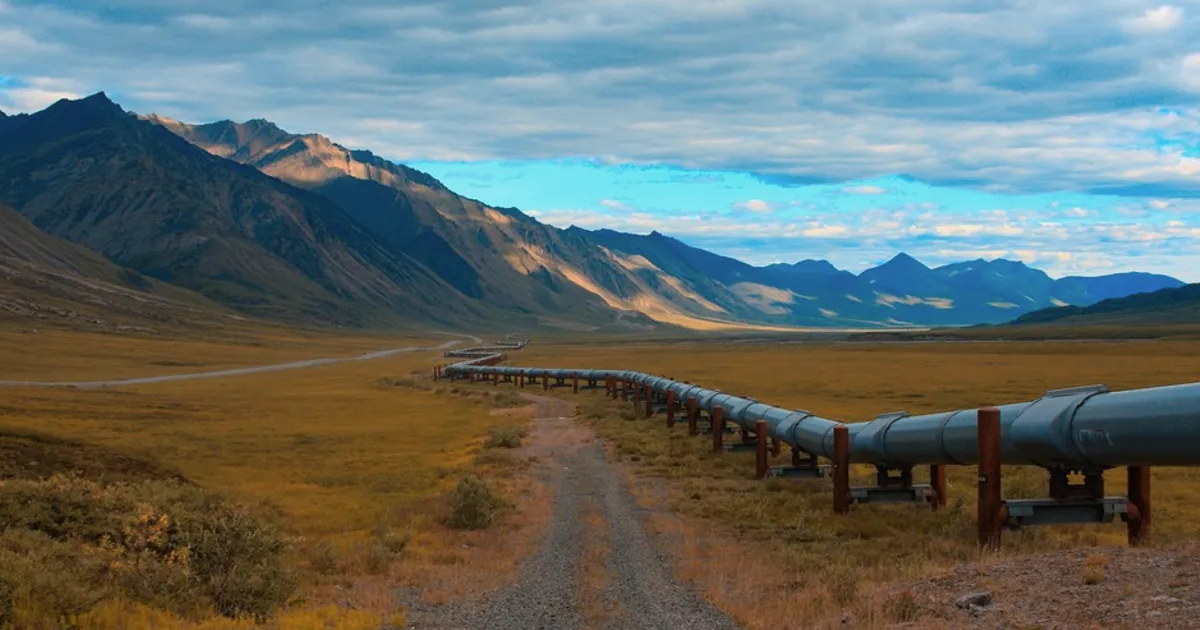
The Trans Mountain pipeline has reached full capacity for the first time since its expansion was completed, a milestone that underscores the growing importance of Canadian crude in global markets. The pipeline, which now has a total carrying capacity of 890,000 barrels per day, has seen demand exceed capacity this month, according to a senior executive at the pipeline company.
This development is significant for oil traders and energy markets, as it signals a structural shift in Canadian crude export capacity. The expanded Trans Mountain pipeline provides a direct route from Alberta's oil sands to the Pacific coast, reducing Canada's reliance on the US market and opening up premium Asian markets. For traders, this means tighter differentials for Western Canadian Select (WCS) relative to WTI, as the bottleneck that previously depressed Canadian crude prices eases. NowPrice's real-time fuel quotes show the latest price spreads for WCS and other heavy crudes, reflecting these changing dynamics.
Looking ahead, market participants will watch for further increases in Canadian oil production to fill the pipeline's capacity, as well as any potential disruptions in Asian demand. The pipeline's full utilization could also influence OPEC+ production decisions, as Canadian crude competes with Middle Eastern grades in Asia. Additionally, any maintenance or operational issues at the pipeline could quickly tighten heavy crude supply, making it a key variable for traders to monitor.