




Trump Orders DOJ Probe Into High Gasoline Prices
President Trump has directed the Justice Department to investigate gasoline prices, claiming they are not falling fast enough, raising the prospect of regulatory scrutiny on fuel pricing.
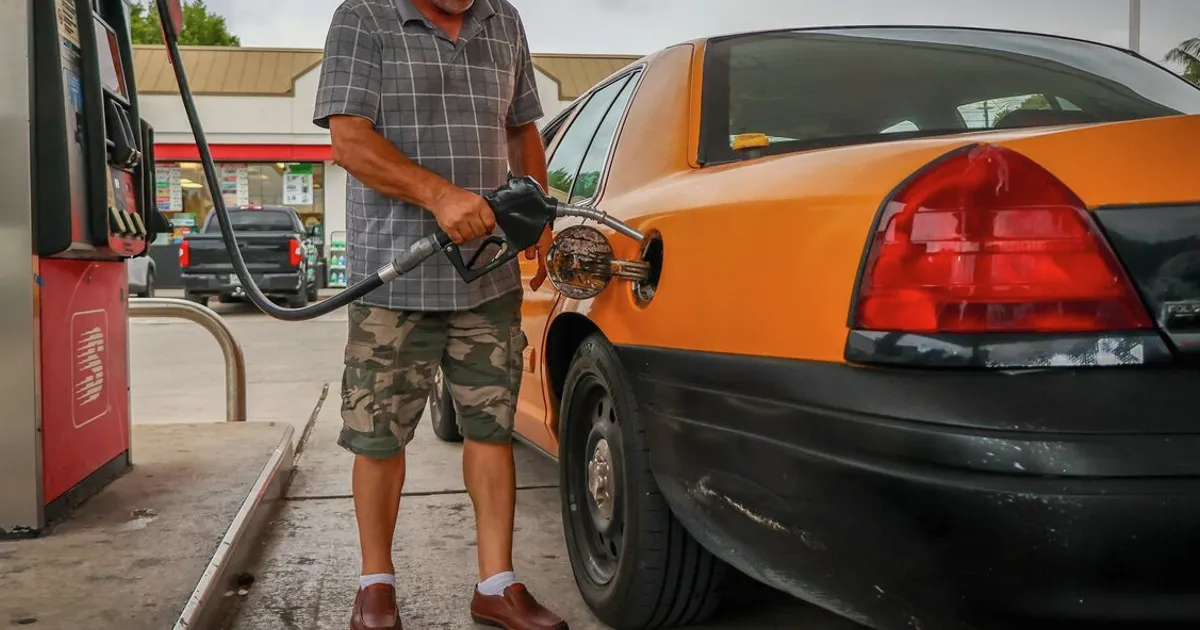
President Donald Trump has ordered the Department of Justice to investigate gasoline prices, arguing that they are not declining quickly enough despite recent moves in crude oil markets. The directive signals potential regulatory action aimed at fuel pricing, a politically sensitive issue for consumers. The investigation targets the disconnect between falling crude oil prices and retail gasoline prices, a gap that often frustrates motorists. This disconnect is partly explained by crack-spread economics—the difference between crude oil input costs and refined product revenues—which can widen when refineries operate at reduced capacity or face seasonal maintenance. For example, the Brent-WTI spread, currently narrow, influences global crude benchmarks, but local gasoline prices are more tied to regional refining margins and distribution costs. The U.S. Strategic Petroleum Reserve (SPR) remains at historically low levels after last year's releases, limiting the government's ability to directly influence supply.
For fuel traders, this introduces a new layer of uncertainty: regulatory scrutiny could pressure refining margins and alter pricing dynamics. While the probe's scope remains unclear, it may focus on potential collusion or price gouging among refiners and retailers. Traders should monitor any developments that could impact supply chain costs or lead to price caps. The investigation comes amid OPEC+ coordination to manage output, with Saudi Arabia and Russia maintaining production cuts to support prices, while spare capacity—estimated at 3-4 million barrels per day—provides a buffer against supply shocks. However, China's marginal demand, a key driver of global oil consumption, has been sluggish due to economic headwinds, weighing on crude prices. In futures markets, the shift from contango (where future prices exceed spot) to backwardation (spot above futures) reflects tightening physical supply, but gasoline crack spreads have remained elevated, suggesting refining bottlenecks rather than crude costs alone. For current pricing context, check NowPrice's fuel page.
Looking ahead, market participants will watch for any specific allegations or data requests from the DOJ, as well as the response from major oil companies and refiners. The probe could also influence gasoline futures and crack spreads, which already reflect seasonal demand shifts. Any findings or policy recommendations could have lasting effects on the fuel market structure. Traders should also track OPEC+ meetings for any changes to production quotas, as well as U.S. refinery utilization rates and inventory data from the Energy Information Administration. The interplay between regulatory actions and fundamental supply-demand dynamics will determine whether gasoline prices align more closely with crude oil in the coming months.