




UAE to Complete New Hormuz-Bypass Oil Pipeline by 2027
The UAE is building a new crude pipeline bypassing the Strait of Hormuz, set for completion by 2027, which could reduce global oil supply risks from a potential Iranian blockade.
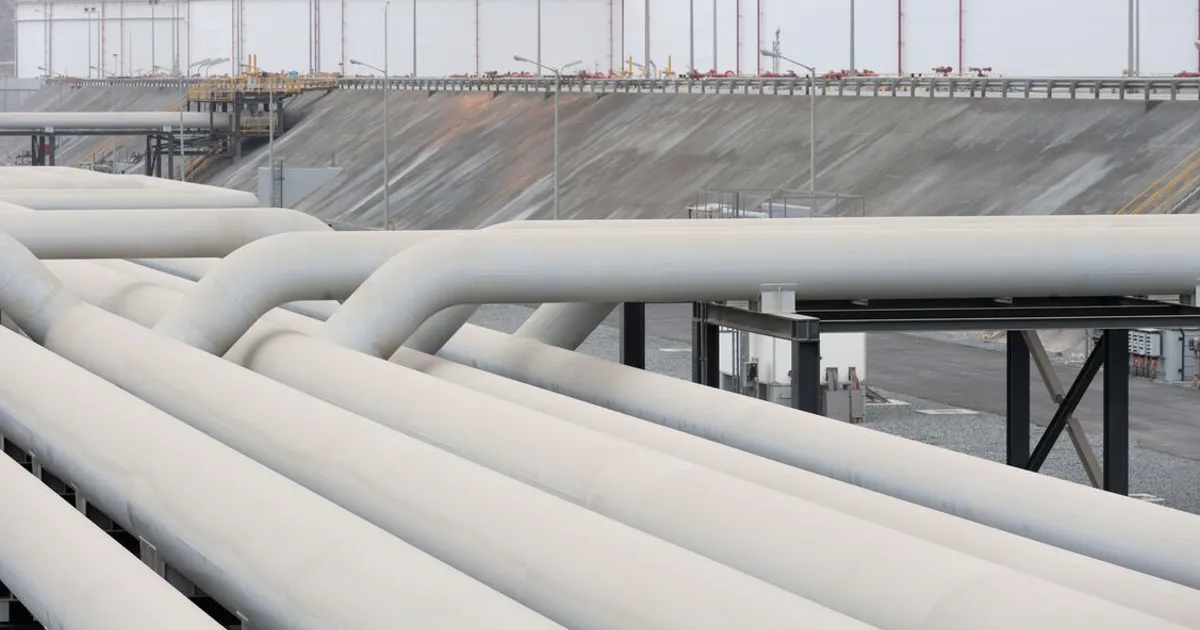
The United Arab Emirates is building a new pipeline bypassing the Strait of Hormuz and plans to have it in operation by 2027. This strategic infrastructure project aims to provide an alternative export route for UAE crude oil, reducing dependence on the narrow waterway that handles about one-fifth of global oil supply.
For energy traders, the pipeline represents a significant shift in supply-chain risk. The Strait of Hormuz has long been a geopolitical flashpoint, with Iran threatening to block the chokepoint in response to sanctions or conflict. A bypass route would allow UAE crude to reach global markets even if the strait is disrupted, potentially narrowing the risk premium embedded in Brent crude prices. The project also underscores the broader trend of Gulf producers diversifying export routes to enhance energy security. Live fuel prices and charts on NowPrice show how the market is reacting to this long-term development.
Traders should watch for construction milestones and any updates on capacity. The pipeline's capacity will determine how much of the UAE's output can bypass Hormuz. Additionally, similar projects by other Gulf states, such as Saudi Arabia's East-West pipeline, could gain renewed attention. Any escalation in Iran-UAE tensions could accelerate the project's strategic value, while delays might keep the Hormuz risk premium elevated.