




Ukraine's Refinery Strikes Deepen Russia's Gasoline Crisis
Ukraine's intensified drone strikes on Russian refineries have forced Moscow to ease environmental rules to stem a domestic gasoline shortage, highlighting the vulnerability of Russia's fuel supply chain.
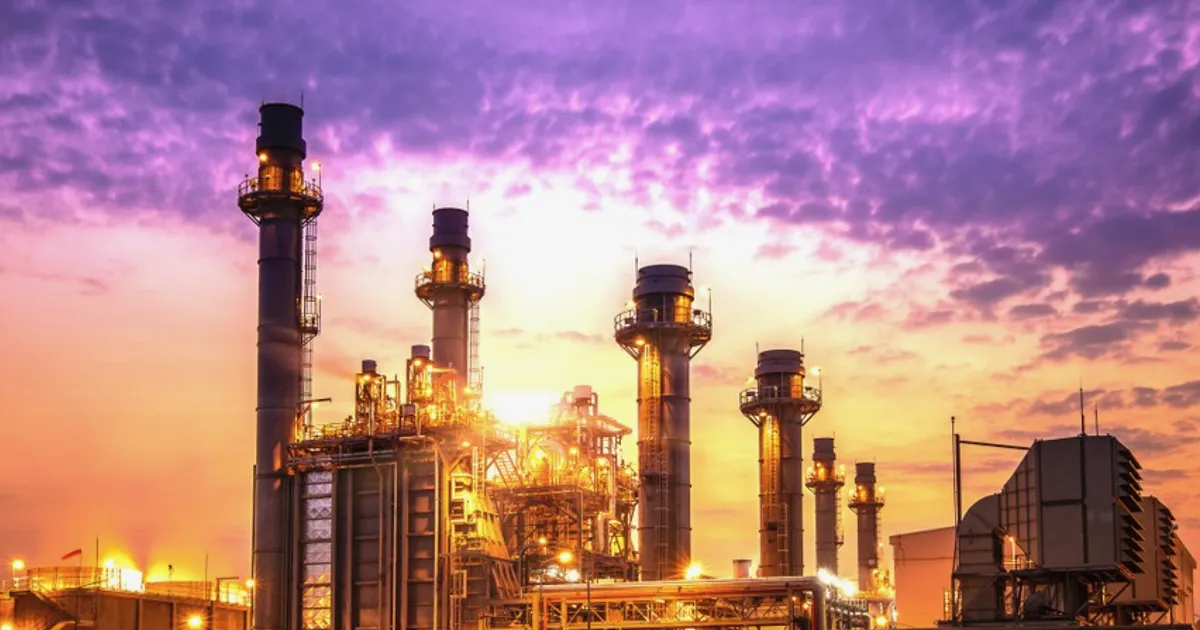
Ukraine's intensified drone strikes on Russian refineries have forced Moscow to ease environmental rules to stem a domestic gasoline shortage, highlighting the vulnerability of Russia's fuel supply chain.
Russia's deputy prime minister, Aleksandr Novak, acknowledged on June 4 that oil production had fallen due to "unscheduled maintenance" at refineries, but avoided specifying the cause. Days later, on June 9, the Energy Ministry issued a statement confirming that "companies in the fuel and energy sector have encountered an increase in enemy air attacks, leading to temporary complications." The attacks have reduced refining capacity, exacerbating a gasoline shortage that has prompted the government to relax environmental standards for fuel production to boost supply.
For energy commodity traders, this development underscores the fragility of Russia's downstream infrastructure amid the ongoing conflict. The disruption to Russian refining capacity could tighten global gasoline and diesel markets, especially as the summer driving season approaches in the Northern Hemisphere. Traders can monitor real-time price movements on NowPrice's live fuel dashboard to track the impact on gasoline and crude benchmarks. The Brent-WTI spread and crack spreads for refined products may widen as supply concerns grow.
Looking ahead, the key question is whether Ukraine will sustain the tempo of strikes on Russian energy infrastructure. If attacks continue, Russia may face prolonged fuel shortages, potentially leading to export restrictions or increased imports. Traders should watch for official data on Russian refinery runs and gasoline stockpiles, as well as any policy responses from Moscow. The situation also adds a layer of geopolitical risk premium to oil prices, which could persist as long as the conflict disrupts supply chains.