




US Ambassador Signals More Investments in Namibia's Energy Sector
The US ambassador to Namibia signals further American investments in the country's energy and critical minerals sector as competition with rivals intensifies in Africa.
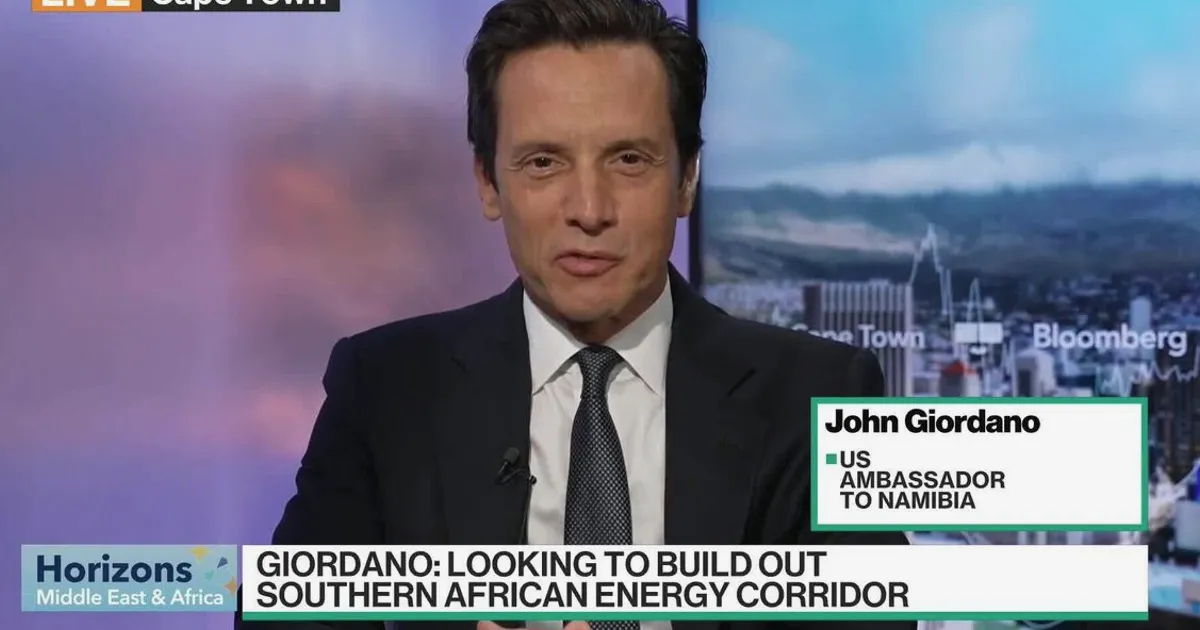
The United States is deepening its partnership with Namibia, with Ambassador John Giordano signaling further American investments in the country's energy and critical minerals sector. Speaking to Bloomberg, Giordano highlighted the growing bilateral relationship as competition for resources intensifies across Africa. Namibia's emerging oil and gas discoveries, particularly in the Orange Basin, position the country as a potential new frontier for global supply. US investments could accelerate exploration and production, impacting future crude flows and tanker routes. Traders tracking these developments on NowPrice's live fuel dashboard can monitor how geopolitical shifts in Africa influence supply expectations.
For energy traders, the significance of US investment in Namibia extends beyond bilateral ties. As OPEC+ maintains spare capacity and coordinates production cuts between Saudi Arabia and Russia, any new non-OPEC supply from Namibia could help offset tightening global balances. The Brent-WTI spread, currently reflecting differentials in quality and logistics, may narrow if Namibian crude grades align with benchmark specifications. Additionally, US Strategic Petroleum Reserve (SPR) levels, drawn down in recent years to counter price spikes, could be replenished more slowly if new supply sources emerge. Crack-spread economics—the refining margin between crude oil and petroleum products—could also be influenced if Namibian output targets light sweet crude, which yields higher-value products like gasoline and diesel. Meanwhile, China's marginal demand for crude, driven by industrial recovery and transportation fuel needs, remains a key variable; any additional supply from Namibia could help meet that demand without straining global logistics. The contango structure in futures markets, where deferred contracts trade at a premium, may persist if near-term supply remains ample, but backwardation could emerge if Namibian production disappoints or if geopolitical risks escalate.
Looking ahead, the pace of US investment commitments and Namibia's regulatory framework for energy projects will be key. Any significant discoveries or production timelines could reshape regional supply dynamics, especially as global demand for energy and critical minerals rises. Traders should watch for updates on drilling results, infrastructure development, and export terminal plans. The involvement of major oil companies, such as TotalEnergies and Shell, already active in the Orange Basin, could accelerate timelines. Additionally, Namibia's ability to attract financing and manage environmental concerns will determine whether it becomes a meaningful contributor to global oil supply within the next decade. As the energy transition progresses, critical minerals like lithium and rare earths—also present in Namibia—add another layer of strategic importance, potentially drawing further US interest and investment.