




US Consumer Sentiment Rises But Stays Near Record Low
US consumer sentiment rose in June as lower gasoline prices provided relief, but the index remains near its record low amid persistent inflation concerns.
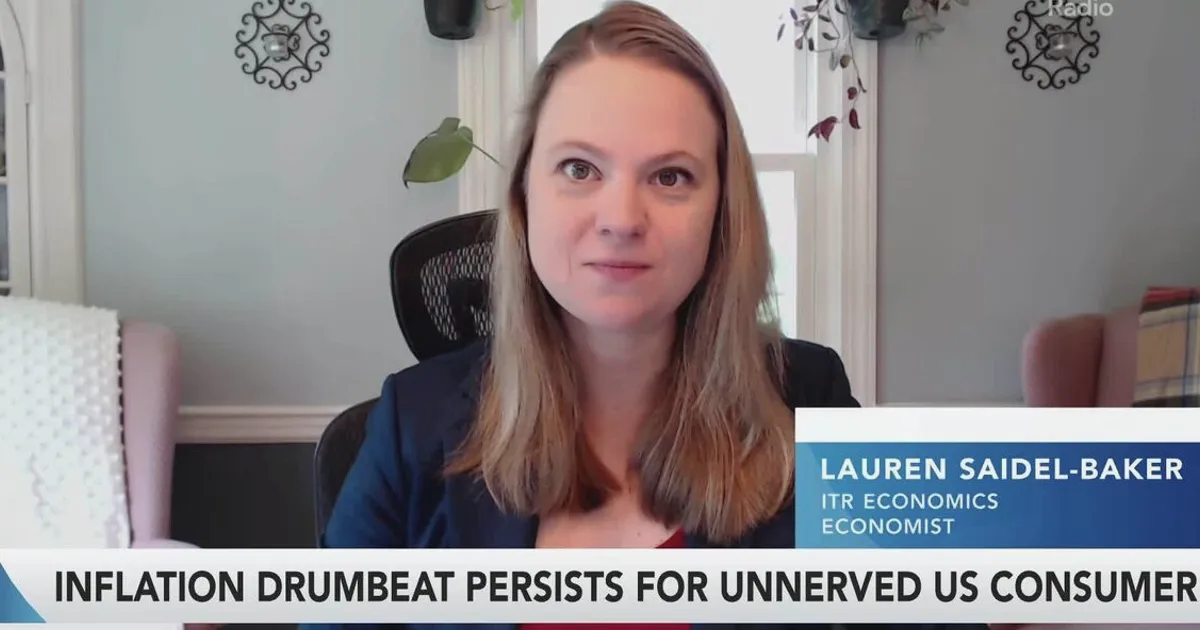
US consumer sentiment rose in June as lower gasoline prices provided some relief for Americans grappling with high inflation. The index, however, remains near its record low, reflecting persistent concerns about the economic outlook and the path of inflation. The modest uptick was driven by a drop in pump prices from earlier highs, though the national average for regular gasoline remains elevated by historical standards, hovering around $3.50 per gallon. This decline in retail fuel costs has helped ease some pressure on household budgets, but the overall sentiment index is still far below levels consistent with a healthy economy, as consumers continue to worry about rising prices for food, rent, and other essentials.
For energy traders, the improvement in sentiment tied to lower gasoline prices highlights the sensitivity of consumer confidence to fuel costs. Gasoline demand is a key driver of refinery margins and crude oil prices, and any sustained shift in consumer behavior could impact the broader energy complex. The crack spread—the difference between crude oil prices and refined product prices—has narrowed recently as gasoline margins eased, reflecting softer demand expectations. Meanwhile, the Brent-WTI spread has widened to around $4 per barrel, signaling differing supply dynamics in the US and global markets. US Strategic Petroleum Reserve levels have fallen to their lowest since the 1980s after last year's historic releases, limiting the government's ability to intervene in case of supply disruptions. OPEC+ spare capacity remains concentrated in Saudi Arabia and the UAE, giving the group significant influence over future output adjustments. Traders can check NowPrice's fuel page for current gasoline and diesel pricing to gauge market dynamics and monitor real-time shifts in supply and demand.
Looking ahead, the Federal Reserve's response to inflation will be critical. If the Fed continues to raise interest rates aggressively, it could dampen economic activity and further weigh on fuel demand. Conversely, any signs of easing inflation could boost consumer spending and support energy prices. Key data releases, including the next CPI report and Fed meeting minutes, will be closely watched for clues on the rate path. Additionally, traders should monitor China's marginal demand for crude, as the world's largest importer's economic recovery remains uneven. Saudi-Russia coordination within OPEC+ will also be a focal point, as any production cuts could tighten the market and lift prices. The futures curve for crude has shifted into backwardation for near-term contracts, suggesting a current supply deficit, but longer-dated contracts remain in contango, reflecting uncertainty about future demand. These dynamics underscore the complex interplay between consumer sentiment, fuel costs, and broader macroeconomic forces that energy traders must navigate.