




U.S. LNG Emerges as Global Supply Backbone Amid Middle East Risks
U.S. LNG is solidifying its role as the backbone of global gas supply as Middle East instability and geopolitical risks disrupt traditional trade flows, reshaping energy security for buyers in Europe and Asia.
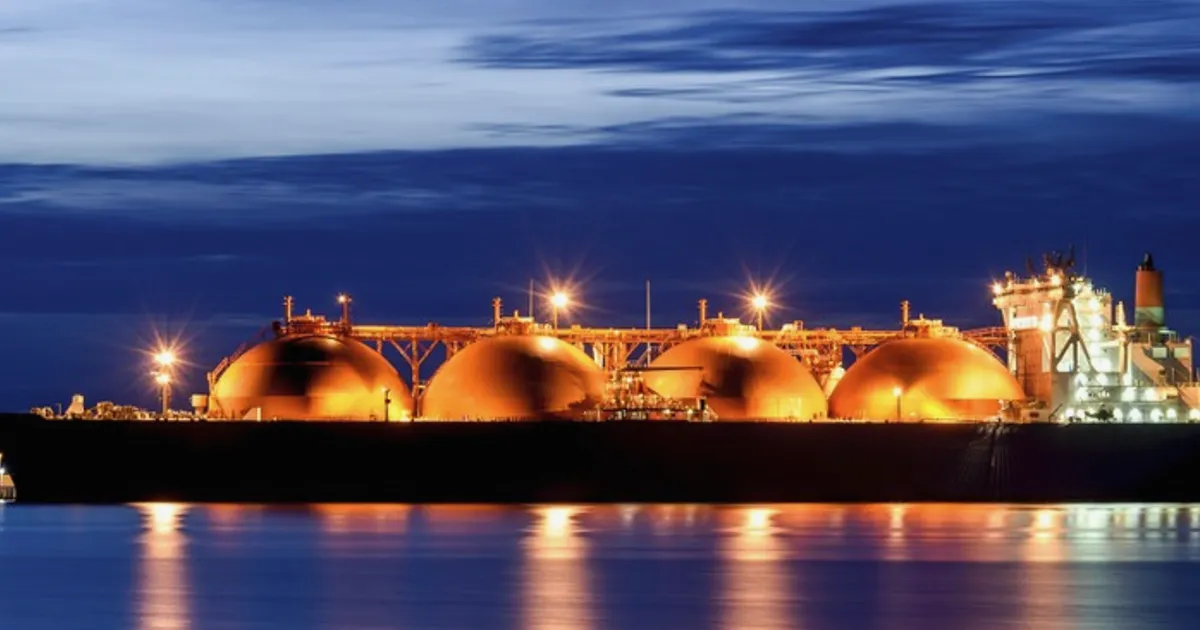
U.S. liquefied natural gas is increasingly becoming the cornerstone of global gas supply as geopolitical instability in the Middle East and damage to energy infrastructure disrupt traditional trade routes. The shift marks a fundamental change in how Europe and Asia secure their gas imports, moving away from long-standing reliance on Qatar and other Middle Eastern producers.
For energy traders, the rise of U.S. LNG as a dominant supply source has significant implications for pricing dynamics and supply security. The growing dependence on American exports means that any disruption to U.S. Gulf Coast facilities—whether from hurricanes, maintenance, or policy changes—could have outsized effects on global gas prices. Meanwhile, the Brent-WTI spread and shipping costs from the U.S. to Asia versus Europe become critical factors in arbitrage opportunities. Traders should monitor the Henry Hub benchmark closely, as it increasingly sets the marginal price for global LNG. For current pricing on key fuel benchmarks, check NowPrice's fuel page.
Looking ahead, the market will watch for further developments in Middle East tensions, as well as any expansion of U.S. LNG export capacity. The upcoming Atlantic hurricane season poses a seasonal risk to Gulf Coast export terminals. Additionally, the resolution of labor disputes in Australia, such as the strike at major LNG facilities, could tighten or loosen supply in the Pacific basin. These factors will determine whether U.S. LNG can maintain its newfound role as the global swing supplier.