




US Strategic Oil Reserves at Lowest in Over 40 Years After Strikes
US strategic petroleum reserves have fallen to their lowest level in over four decades, as oil prices rise following fresh US and Iranian strikes in the Gulf.
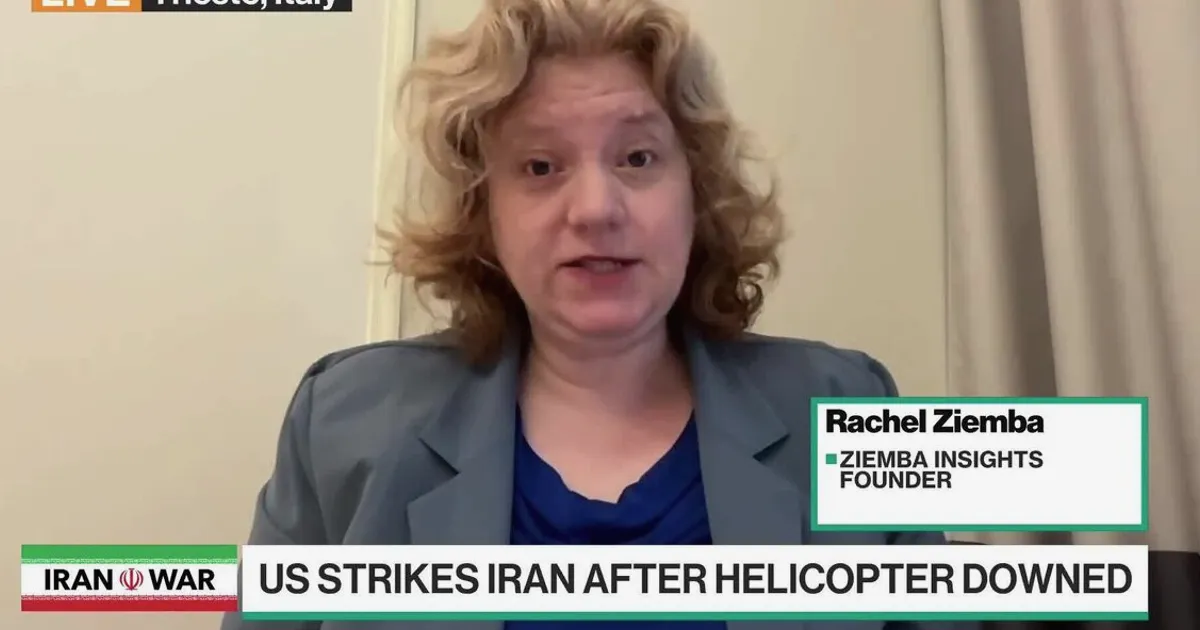
US strategic petroleum reserves have fallen to their lowest level in over 40 years, according to analyst Rachel Ziemba of Ziemba Insights. The decline comes as oil prices rise following fresh military strikes between the United States and Iran in the Gulf region. President Donald Trump blamed Tehran for shooting down an American military helicopter off the coast of Oman, escalating tensions in one of the world's most critical oil transit chokepoints.
The drawdown in strategic reserves reduces the US government's ability to intervene in oil markets during supply disruptions. With the Strategic Petroleum Reserve at multi-decade lows, any further supply shock—whether from geopolitical conflict or hurricane-related production outages—could have an outsized impact on crude prices. Traders should monitor the Brent-WTI spread closely, as a widening spread often signals regional supply stress. For current pricing context, check NowPrice's fuel page to track real-time movements in crude and refined products.
Looking ahead, market participants will focus on weekly US inventory data from the Energy Information Administration to gauge the pace of reserve depletion and commercial stock levels. Any further military escalation in the Gulf could push oil prices higher, while diplomatic developments may ease supply fears. The combination of low strategic reserves and elevated geopolitical risk suggests heightened volatility for energy markets in the near term.