




Asian equities rout: KOSPI plunges 8%, Nikkei falls 4.5% on OpenAI IPO delay
Asian equity markets suffered a severe sell-off on Friday, with South Korea's KOSPI plunging 8% and Japan's Nikkei falling 4.5%, triggered by a report that OpenAI may delay its IPO to next year, compounding geopolitical jitters and high valuations.
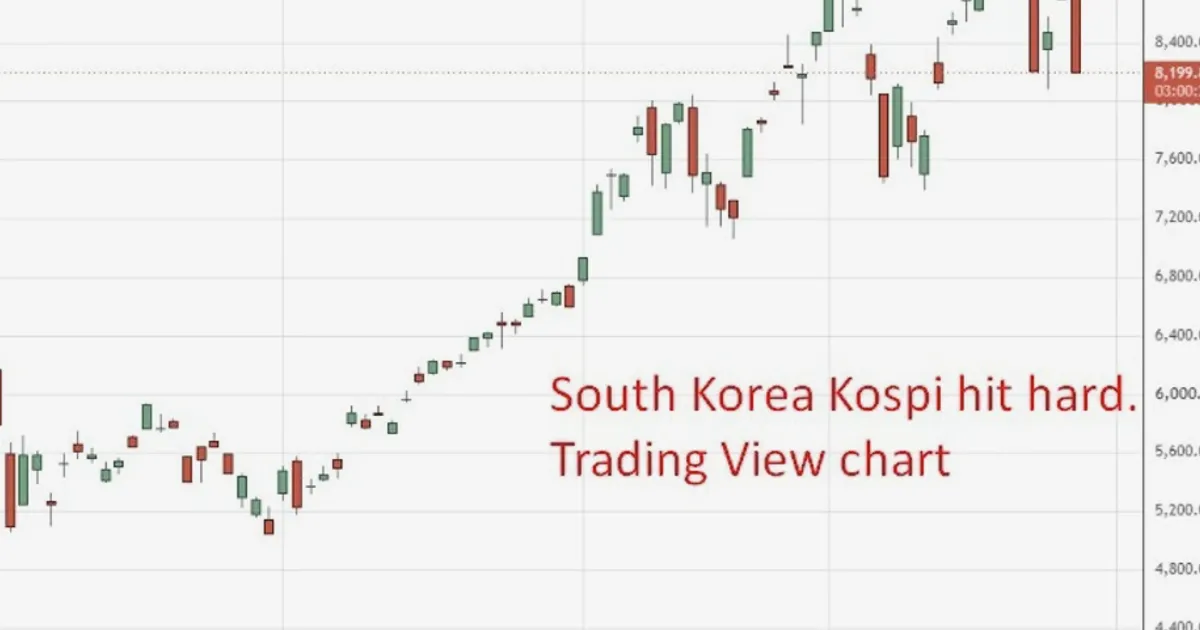
Asian equity markets tumbled sharply on Friday, with South Korea's KOSPI plunging 8% and Japan's Nikkei falling 4.5%, as a report that OpenAI may delay its initial public offering to next year rattled investor sentiment already fragile from geopolitical uncertainty and elevated valuations.
The sell-off was broad-based across the region. The Nikkei was dragged lower by SoftBank, which fell over 12% as markets reassessed the timeline and terms of a listing that CEO Masayoshi Son had placed at the center of his AI investment thesis. The KOSPI extended losses to 8%, making it one of the worst-performing markets in Asia. The New York Times report that OpenAI is leaning toward pushing its IPO to 2027 landed like a grenade across a region already on edge, hitting stocks with direct exposure to the AI narrative.
For foreign exchange and currency traders, the equity rout signals a sharp shift in risk sentiment that typically drives demand for safe-haven currencies such as the Japanese yen and Swiss franc, while pressuring higher-yielding, risk-sensitive currencies like the Australian and New Zealand dollars. The Nikkei's decline may also fuel speculation about a potential Bank of Japan policy response, though any intervention would likely focus on yen volatility rather than equity levels. Traders can monitor real-time currency pairs on NowPrice to track the impact of this risk-off move on major and Asian FX crosses.
Looking ahead, markets will focus on any official confirmation from OpenAI regarding its IPO timeline, as well as broader geopolitical developments. The extent of the sell-off may prompt central bank commentary or policy signals, particularly from the Bank of Japan. Key data releases next week, including US personal consumption expenditures and Chinese manufacturing PMIs, will also shape the near-term direction for Asian currencies and risk appetite.