




Big brewers target billion-dollar nonalcoholic beer opportunity
Major brewers are investing heavily in nonalcoholic beer as American drinking habits shift toward moderation, opening a billion-dollar market segment.
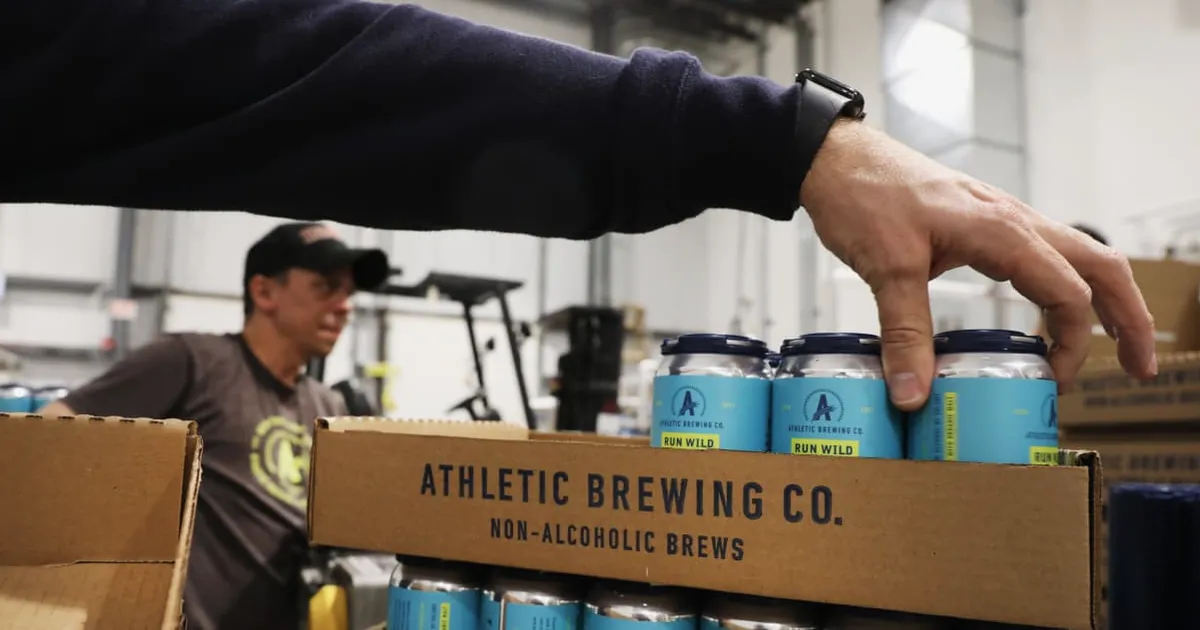
Major brewers are aggressively expanding their nonalcoholic beer portfolios, betting that the category's rapid growth is more than a passing fad. Companies such as Anheuser-Busch InBev and Heineken have launched or acquired multiple alcohol-free brands, targeting a market that industry analysts estimate could exceed $1 billion in U.S. retail sales within the next few years.
The shift reflects a broader change in American drinking culture, where consumers—particularly younger demographics—are increasingly seeking moderation. Nonalcoholic beer now appeals not only to teetotalers but also to regular drinkers who want to reduce alcohol intake without sacrificing taste. This dual audience has turned the segment into one of the fastest-growing in the beverage industry, with double-digit annual sales growth outpacing traditional beer.
For foreign exchange and currency traders, this consumer trend offers indirect signals about discretionary spending patterns and potential shifts in import/export flows. If nonalcoholic beer gains sustained traction, it could affect trade balances for countries that export barley, hops, or finished beer. However, the immediate FX impact is limited; traders should monitor consumer confidence data and retail sales reports for broader confirmation of changing spending habits. NowPrice's real-time currency quotes can help track any related moves in commodity-linked currencies.
Looking ahead, the key question is whether the nonalcoholic beer boom can maintain its momentum as economic conditions evolve. If a recession curbs discretionary spending, premium-priced nonalcoholic options may face headwinds. Conversely, if health-conscious trends persist, brewers could see a structural shift in revenue streams. Traders should watch earnings reports from major brewers and any tariff developments affecting beverage imports.