




BOJ Governor Ueda Hospitalised, Will Miss Next Week's Policy Meeting
BOJ Governor Ueda is hospitalized and will miss next week's policy meeting, with Deputy Governor Himino chairing and Uchida handling the press conference, but the expected 25 bps rate hike to 1% remains on track.
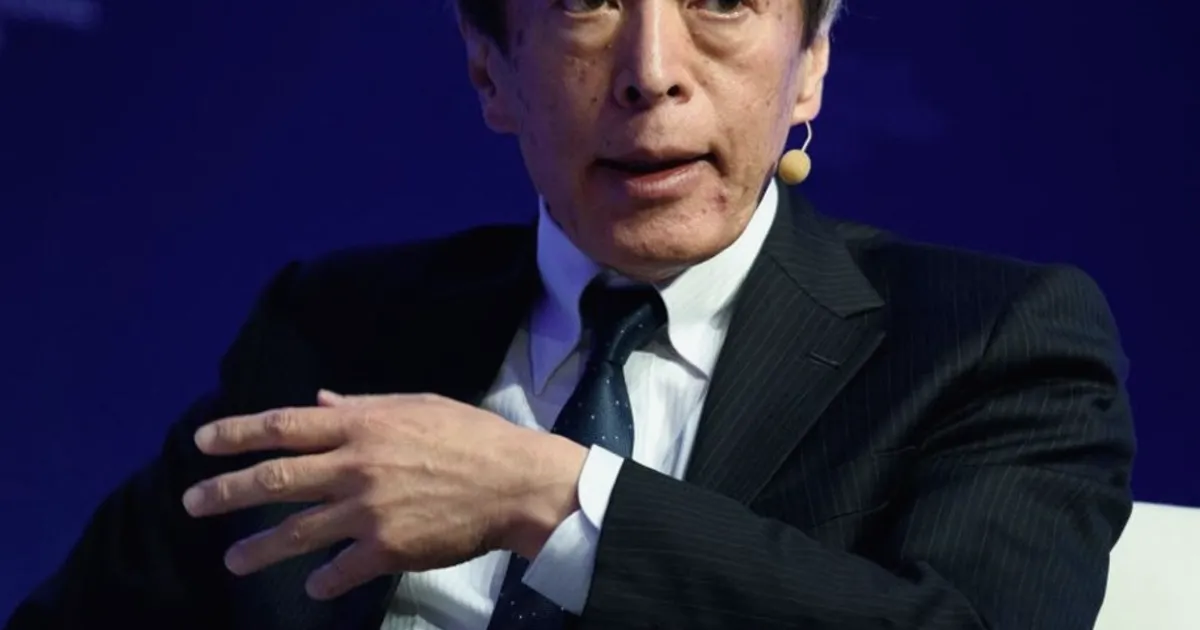
Bank of Japan Governor Kazuo Ueda has been hospitalized and will be absent from next week's monetary policy meeting, according to a statement from the central bank. Deputy Governor Ryozo Himino will chair the two-day meeting ending June 16, while Deputy Governor Shinichi Uchida will handle the post-meeting press conference. The BOJ is widely expected to raise its policy rate by 25 basis points to 1.0%, a move that would mark another step in its normalization cycle. The absence of Governor Ueda introduces an element of uncertainty around communication, but the rate decision itself is not expected to be affected. Markets will focus on whether Uchida's press conference tone signals a more hawkish or dovish path forward, which could influence yen dynamics.
For forex traders, the key variable is how the BOJ's communication is perceived. If Uchida strikes a hawkish note, the yen could strengthen; a dovish tone might renew selling pressure. The yen has been under pressure as interest rate differentials with the US remain wide, with the Federal Reserve maintaining higher rates. This divergence has fueled carry trades, where investors borrow cheap yen to invest in higher-yielding currencies, and any shift in BOJ policy could trigger a carry-trade unwind. Real-rate differentials, adjusted for inflation, also play a role: if the BOJ signals further hikes, Japanese real yields could rise, narrowing the gap with US real yields and supporting the yen. Conversely, a dovish stance would keep the yen weak. Terms-of-trade pass-through is another factor: a weaker yen raises import costs, feeding inflation, which the BOJ aims to control. Check NowPrice's FX page for real-time USD/JPY and other yen crosses to track market reaction.
Looking ahead, the BOJ decision and press conference on June 16 will be the next major catalyst for yen pairs. Traders should watch for any hints on the pace of future hikes, as well as potential intervention thresholds from the Ministry of Finance. If USD/JPY approaches 160, authorities may step in to support the yen, as they did in 2022. The BOJ's policy path will also depend on global factors, such as US economic data and Fed decisions, which affect interest-rate parity. A hawkish Uchida could narrow rate differentials, boosting the yen, while a dovish tone would widen them, pressuring the yen further. Stay tuned for real-time updates on NowPrice.