




BOJ's Ueda warns temporary oil shocks can become persistent
BOJ Governor Ueda warns that temporary oil shocks can become persistent depending on initial conditions like wages, expectations, and exchange rates, citing the current Middle East conflict as Japan's fifth major oil shock.
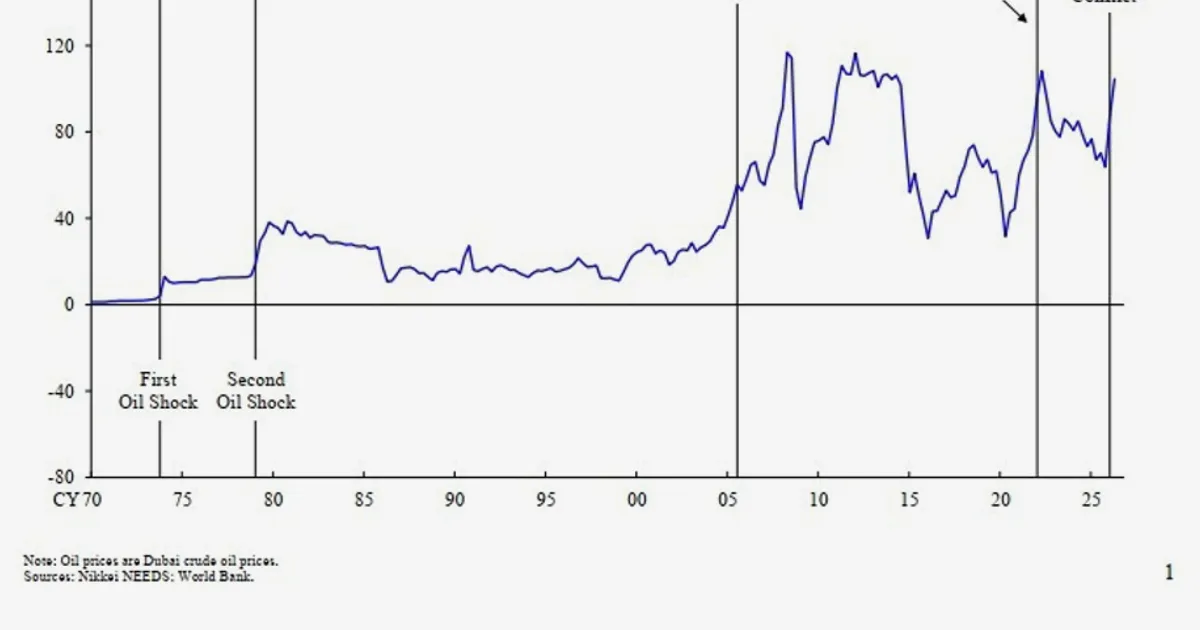
Bank of Japan Governor Kazuo Ueda warned that temporary oil shocks can become persistent, depending on the economic regime they enter. Speaking at the 2026 BOJ-IMES Conference, Ueda placed the current Middle East oil shock in the context of five decades of Japanese inflation history, noting that initial conditions including wages, expectations, and exchange rates will determine whether the shock proves temporary or persistent.
For foreign exchange and currencies traders, Ueda's remarks carry significant implications. The BOJ's assessment of oil shocks directly influences its monetary policy stance, particularly regarding inflation persistence. If the BOJ views the oil shock as potentially persistent, it may lean toward tightening, which would support the yen through higher yield differentials. Conversely, a view that the shock is temporary could keep policy accommodative, weighing on the yen. Live FX prices and charts on NowPrice show how the market is reacting to these nuanced signals, with USD/JPY volatility reflecting shifting expectations of BOJ action.
Looking ahead, traders should monitor upcoming BOJ communications and Japan's inflation data for clues on how the central bank interprets the oil shock's impact. The yen's sensitivity to oil prices and the BOJ's policy path means any shift in Ueda's tone could trigger sharp moves in USD/JPY and other yen crosses. Additionally, the broader implications for global central banks, which face similar oil price dynamics, will be a key theme in the weeks ahead.