




Five reasons the US dollar keeps rising despite Gulf peace deal
The US dollar has defied expectations of a post-peace fade, hitting its year-to-date high as five structural factors continue to support the greenback.
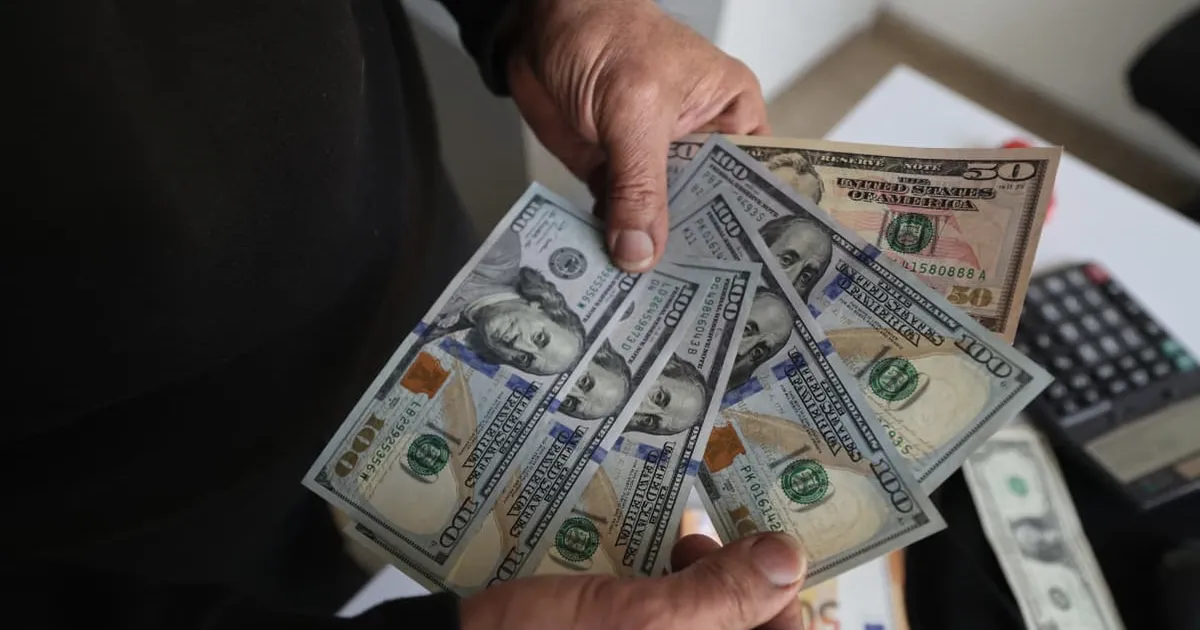
The US dollar has continued to strengthen against major currencies, reaching its highest level of the year despite a peace agreement that ended the Gulf war. Investors had anticipated that the dollar's safe-haven premium would fade with the resolution of geopolitical tensions, but the greenback has instead rallied.
The dollar's resilience stems from five key factors. First, the Federal Reserve maintains a relatively hawkish stance compared to other central banks, keeping interest rate differentials wide in favor of the dollar. Second, the US economy continues to outperform its peers, with stronger growth and labor market data supporting the currency. Third, global trade uncertainties and tariff policies have boosted demand for the dollar as a reserve currency. Fourth, commodity price declines have weighed on currencies of resource-exporting nations, indirectly benefiting the dollar. Fifth, technical and positioning factors show that speculative long dollar positions remain elevated, reinforcing the upward trend. Live FX prices and charts on NowPrice reflect the dollar's ongoing strength against a basket of currencies.
Looking ahead, traders will focus on upcoming US economic data, including non-farm payrolls and inflation reports, to gauge whether the Fed will maintain its current policy path. Any signs of a slowdown could trigger a reversal, but for now, the dollar's momentum remains intact. Key levels to watch include the dollar index's year-to-date high, with potential resistance at recent peaks.