




IMF chief economist says global economy remains dollar-centered
IMF chief economist Pierre-Olivier Gourinchas stated that despite shifting trade flows and tariffs, the global economy remains firmly dollar-centered, with gold price rises driven by ETFs and stablecoin issuers holding gold.
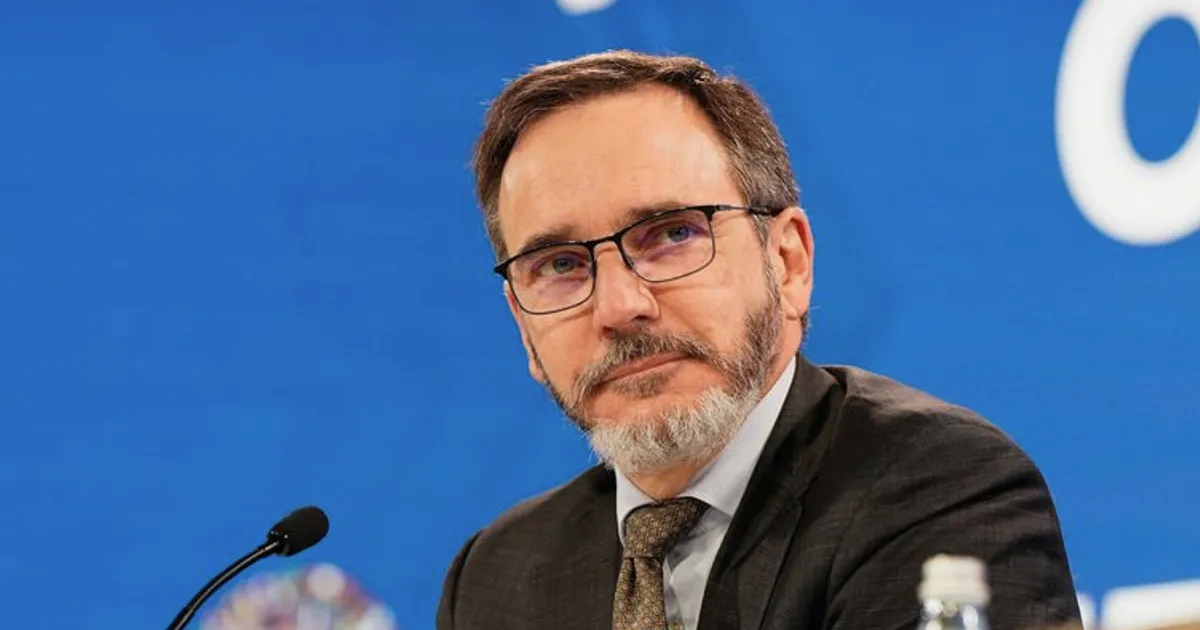
IMF chief economist Pierre-Olivier Gourinchas said the global economy remains firmly dollar-centered, even as trade flows shift under U.S. tariffs. In an interview with Reuters, Gourinchas noted that the U.S. dollar continues to anchor international trade, banking, and central bank reserves. He also addressed the sharp rise in gold prices, attributing it largely to the growth of gold exchange-traded funds (ETFs) that allow investors to gain exposure without holding physical metal. Stablecoin issuers holding gold have also contributed to the trend.
For foreign exchange and currency traders, the dollar's enduring dominance has direct implications. The dollar-centered system means that shifts in U.S. monetary policy or trade policy can have outsized effects on global currency markets. Rate differentials between the Federal Reserve and other central banks remain a key driver of currency pairs, and any signs of dollar weakness or strength can trigger broad moves. Traders should monitor the dollar index and key pairs like EUR/USD and USD/JPY for real-time levels on NowPrice.
Looking ahead, market participants will watch for further comments from IMF officials and central bank governors, as well as upcoming U.S. economic data that could influence the dollar's trajectory. The role of gold and stablecoins in the global financial system may also draw more attention, especially if gold prices continue to rise. Any shift in reserve currency dynamics, while unlikely in the near term, would have profound implications for currency markets.