




India Doubles Gold, Silver Import Tariffs to 15% to Support Rupee
India raised import tariffs on gold and silver to 15% from 6% to narrow its trade deficit and support the rupee, though industry officials warn the move could revive smuggling.
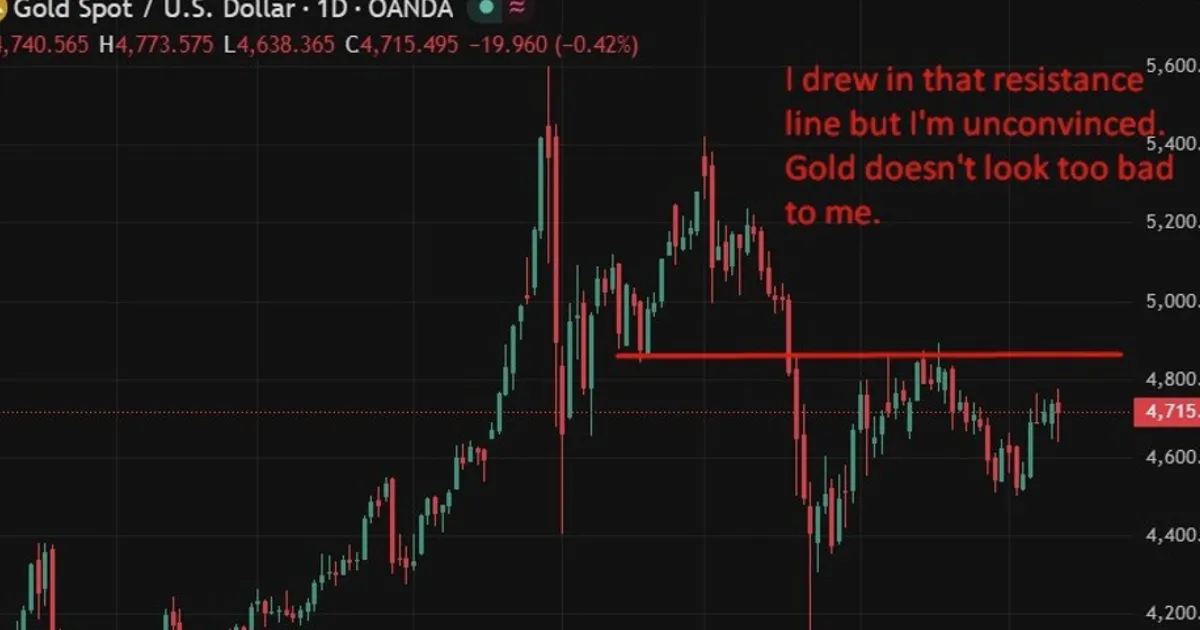
India has more than doubled import duties on gold and silver to 15%, a sweeping policy move aimed at narrowing the country's trade deficit and easing pressure on the rupee, one of Asia's weakest-performing currencies this year.
The new tariff structure combines a 10% basic customs duty with a 5% Agriculture Infrastructure and Development Cess, raising the effective rate from 6% to 15%. The government formalised the decision through orders issued Wednesday, following weeks of escalating current account concerns. India is the world's second-largest gold consumer, and the sharp tariff increase is expected to curb demand for imported bullion, directly reducing outflows of foreign exchange. For currency traders, the move signals New Delhi's willingness to use trade policy tools to defend the rupee rather than relying solely on Reserve Bank of India intervention. Live forex prices and charts on NowPrice show how the rupee is reacting to the announcement, with traders watching for any sustained appreciation against the dollar.
Industry officials have warned that the steep tariff hike risks reviving smuggling networks that had been dormant under lower duties. A thriving grey market for gold could undermine the policy's intended effect on the trade balance, as unofficial imports would bypass customs duties entirely. The move also has implications for global precious metals markets: India's reduced official imports could weigh on international gold prices, while any resurgence of smuggling would distort official trade data. Traders should monitor India's monthly trade balance releases and gold import volumes for signs of whether the policy is achieving its goals. The Reserve Bank of India's next monetary policy decision will also be closely watched, as a stronger rupee could give the central bank more room to ease rates if domestic inflation remains contained.