




Iran IRGC rejects Hormuz transit framework, BOJ's Tamura flags hawkish rate path
Iran's IRGC Navy rejected the Omani-IMO Hormuz transit framework, while BOJ board member Tamura called for rate hikes as underlying inflation hits 2%.
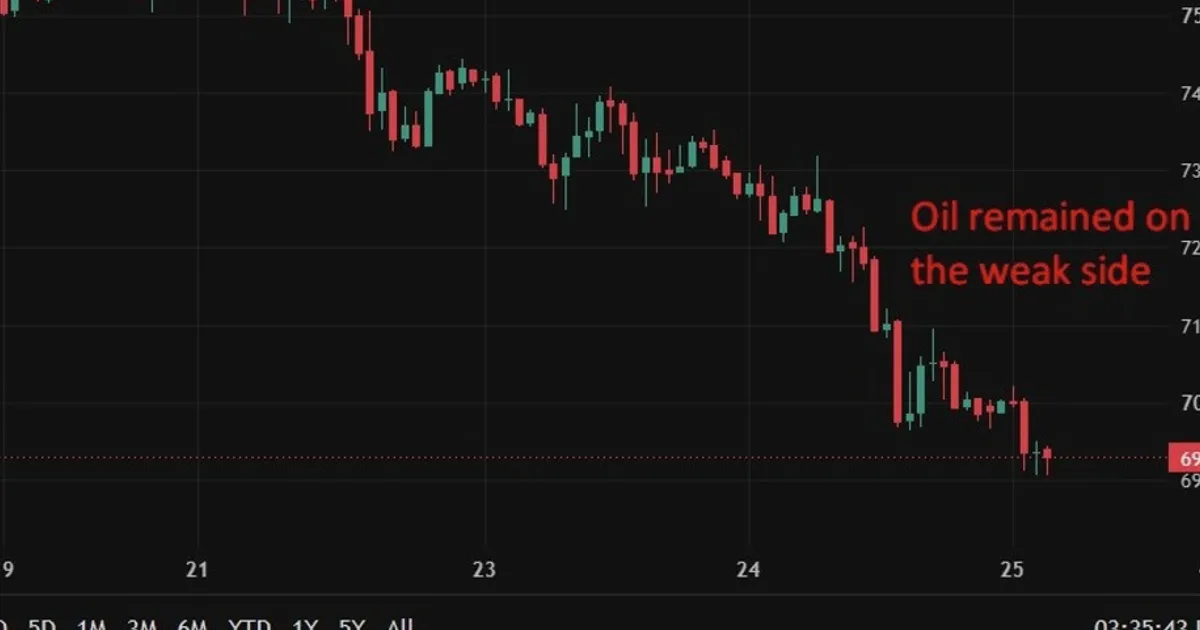
Iran's Islamic Revolutionary Guard Corps Navy has rejected the transit framework for the Strait of Hormuz proposed under the auspices of Oman and the International Maritime Organization, declaring the route unacceptable and a serious safety risk. The statement carries an implicit threat to resume pressure on commercial shipping or impede mine clearance operations, injecting fresh uncertainty into the region. However, the dominant oil market dynamic remains the steady increase in vessel traffic successfully transiting the strait, which limited the crude price reaction to a modest pop.
For foreign exchange and currency traders, the Hormuz developments add a geopolitical risk premium to oil-linked currencies such as the Norwegian krone and Canadian dollar, while safe-haven flows could support the US dollar and Japanese yen if tensions escalate. The modest oil price response suggests markets are pricing in a low probability of sustained disruption, but the implicit threat from IRGC keeps the risk alive. Traders can monitor real-time price action on NowPrice's live fx dashboard to track any sudden shifts in risk sentiment.
Meanwhile, Bank of Japan board member Naoki Tamura delivered the session's most hawkish central bank signal, stating that underlying inflation has already reached 2% and calling for rate hikes at an appropriate pace. Tamura's comments reinforce expectations of further BOJ normalization, which could support the yen against the dollar and other major currencies. Markets will now focus on upcoming BOJ meeting minutes and Japan's inflation data for further clues on the timing and magnitude of rate adjustments.