




OpenAI considers major price cuts as US-Iran tensions push oil above $93
OpenAI is reportedly planning significant price reductions, while escalating US-Iran hostilities pushed WTI crude briefly above $93 per barrel before retreating.
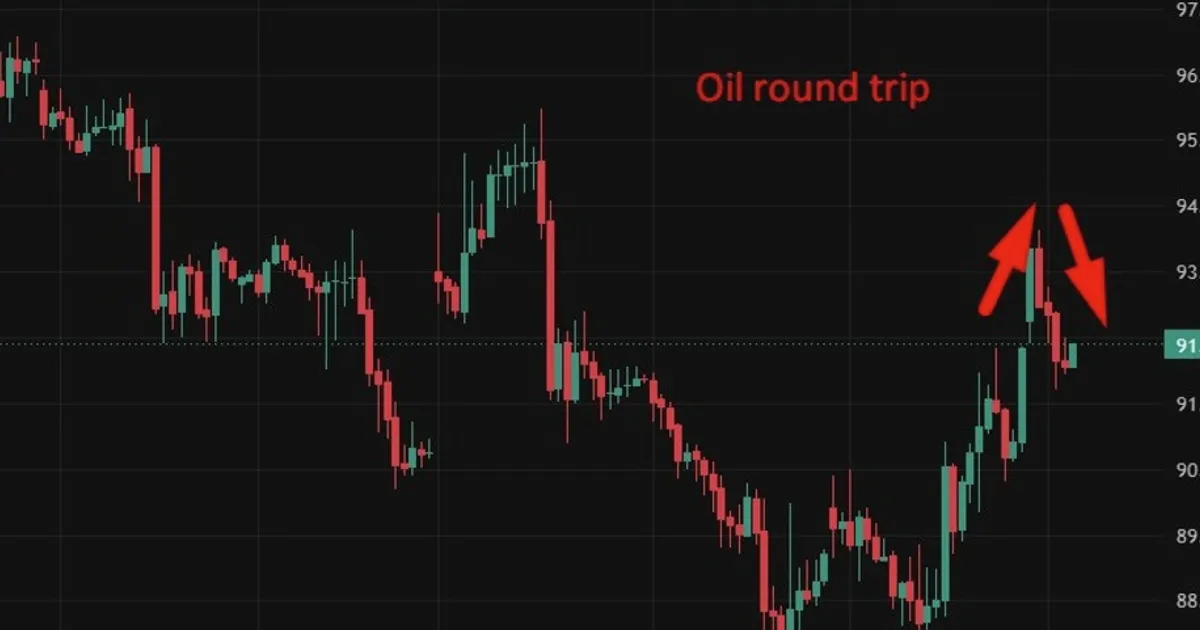
OpenAI is reportedly considering major price cuts for its AI services, according to the Wall Street Journal, as competition in the sector intensifies. The news comes amid a volatile session in Asia-Pacific currency and commodity markets, with oil prices surging after the US conducted a second straight night of strikes against Iran. Tehran responded by hitting regional US bases and shipping near the Strait of Hormuz, declaring the strait closed, a claim partially disputed by CENTCOM which noted commercial vessels were still transiting.
For foreign exchange and currencies traders, the spike in oil prices has immediate implications for commodity-linked currencies such as the Canadian dollar, Norwegian krone, and Russian ruble, which tend to strengthen when crude rallies. However, the uncertainty surrounding the Strait of Hormuz closure — a chokepoint for about 20% of global oil transit — could fuel risk aversion, benefiting safe-haven currencies like the US dollar, Japanese yen, and Swiss franc. The partial dispute by CENTCOM adds a layer of ambiguity, making it difficult for traders to price in a sustained supply disruption. NowPrice's real-time fx quotes show the dollar index holding steady as markets weigh the conflicting signals.
Looking ahead, traders will focus on any further developments in US-Iran negotiations, especially after Trump claimed to have ordered a pause in bombing following direct contact with Iranian officials. The June 11 deadline for a deal adds a clear catalyst for potential volatility. On the data front, US inflation figures and weekly jobless claims due later this week could also influence rate expectations and dollar direction. For now, oil prices remain the key driver for commodity currencies, while AI-related tech stocks may see pressure if OpenAI's price cuts signal a broader pricing war in the sector.