




PBOC sets USD/CNY reference rate at 6.8415, well above estimate
The PBOC set the USD/CNY reference rate at 6.8415, significantly weaker than the market estimate of 6.7976, signaling potential further yuan depreciation.
The People's Bank of China set the USD/CNY reference rate at 6.8415 for today's trading session, notably weaker than the market estimate of 6.7976. The PBOC also injected 500 million yuan via 7-day reverse repos at an unchanged rate of 1.4%. This fixing, which allows the yuan to fluctuate within a +/-2% band against the dollar, came in well above expectations, suggesting the central bank is comfortable with a softer yuan. The deviation from estimates is significant, as the reference rate serves as a key tool for guiding market expectations and managing the currency's daily trading range.
For currency traders, this is a clear signal of potential yuan depreciation, which could impact Asian FX markets and risk sentiment. A weaker yuan often pressures other Asian currencies and supports the dollar, as it reduces the competitiveness of regional exports. From a macro perspective, the PBOC's move may reflect a desire to offset the impact of a strong dollar, which has been driven by the Federal Reserve's hawkish stance and the resulting interest-rate differential. The carry trade, where investors borrow low-yielding currencies like the yuan to invest in higher-yielding assets, could unwind if depreciation expectations accelerate. Additionally, real-rate differentials between China and the US play a role; with US real yields rising, the yuan faces downward pressure. The PBOC's intervention threshold is not explicitly stated, but the fixing suggests a tolerance for a weaker currency, which could be aimed at supporting export competitiveness amid slowing global demand. Traders can monitor real-time USD/CNY quotes on NowPrice to track the spot rate's movement relative to the new fix.
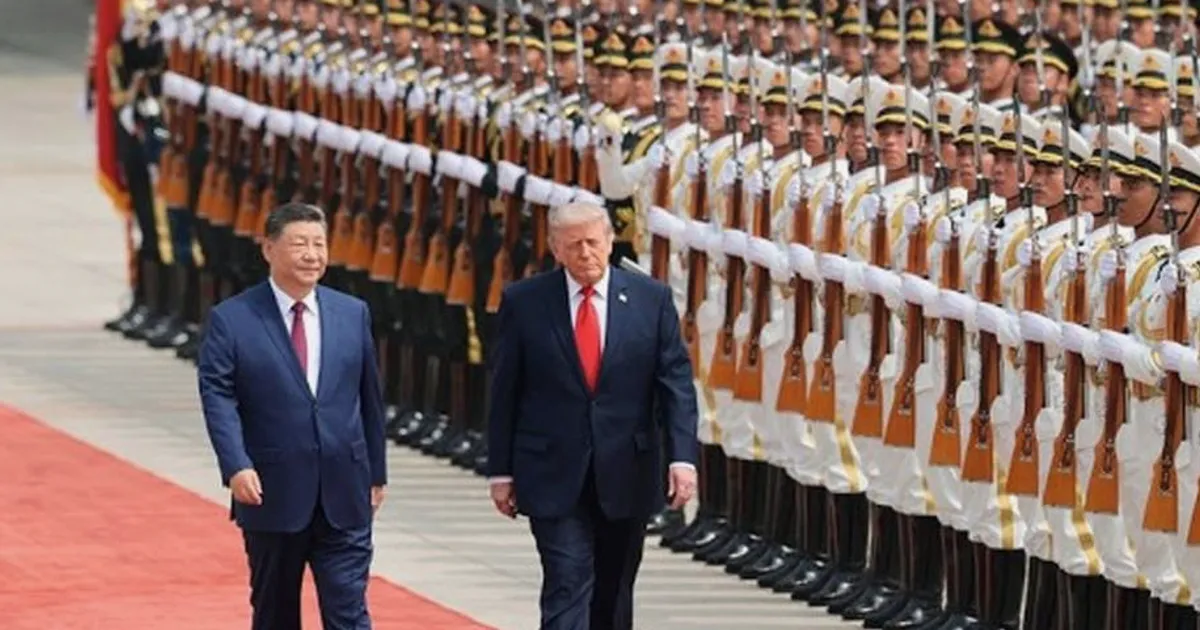
Market participants will watch for further PBOC signals, including any adjustment to the daily fixing pattern. The ongoing trade relationship between the US and China, as well as any comments from President Trump during his visit to China today, could add volatility. The next key data point is the PBOC's one-year medium-term lending facility rate decision later this month, which will provide insight into the central bank's monetary policy stance. Additionally, terms-of-trade pass-through effects, where a weaker yuan raises import costs and potentially fuels inflation, will be closely monitored. Any divergence between PBOC policy and other major central banks, such as the Fed or ECB, could further influence the yuan's trajectory and global capital flows.