




Strait of Hormuz: US sinks Iranian vessels, ceasefire framework holds
US forces sank two Iranian mine-laying vessels in the Strait of Hormuz and struck a missile site, while the ceasefire framework remained operative, keeping markets on edge.
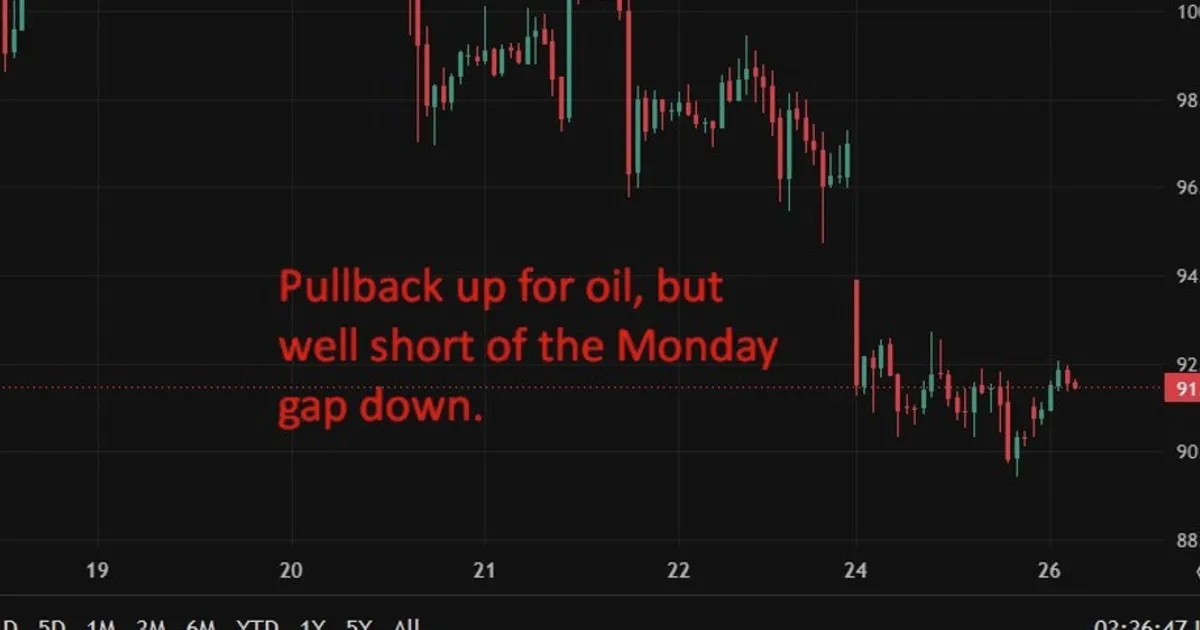
US forces sank two Iranian mine-laying speedboats in the Strait of Hormuz and struck a missile site near Bandar Abbas after Iran activated air defenses and launched anti-ship cruise missiles toward US Navy assets in the Sea of Oman. The Pentagon described every action as defensive and insisted the ceasefire framework remained operative, a characterization that captured the strange discipline of a conflict being managed toward a conclusion neither side wants to escalate into full war.
The Strait of Hormuz is the world's most critical oil chokepoint, handling about 20% of global petroleum transit. Any disruption to shipping there historically triggers a spike in crude prices and a flight to safe-haven currencies such as the US dollar, Japanese yen, and Swiss franc. For forex traders, the immediate reaction has been a bid for the dollar and yen against commodity currencies like the Australian and Canadian dollars, while oil-linked currencies such as the Norwegian krone have seen mixed flows. Live FX prices and charts on NowPrice show how the market is pricing the risk premium in real time.
Traders will now watch for any further tit-for-tat strikes that could push the conflict beyond the current managed escalation. The key levels to monitor are the 50-day moving average on USD/JPY and the 200-day moving average on Brent crude futures. Any official statement from Iran's Supreme National Security Council or a fresh CENTCOM update could be the next catalyst. The ceasefire framework, though strained, remains the only diplomatic off-ramp, and its survival is the single most important variable for risk assets in the session ahead.