




US-Iran military escalation after Strait of Hormuz clash rocks markets
A direct US-Iran military exchange following a Strait of Hormuz incident has triggered a sharp risk-off move, with safe-haven currencies and oil surging as traders flee exposure to the region.
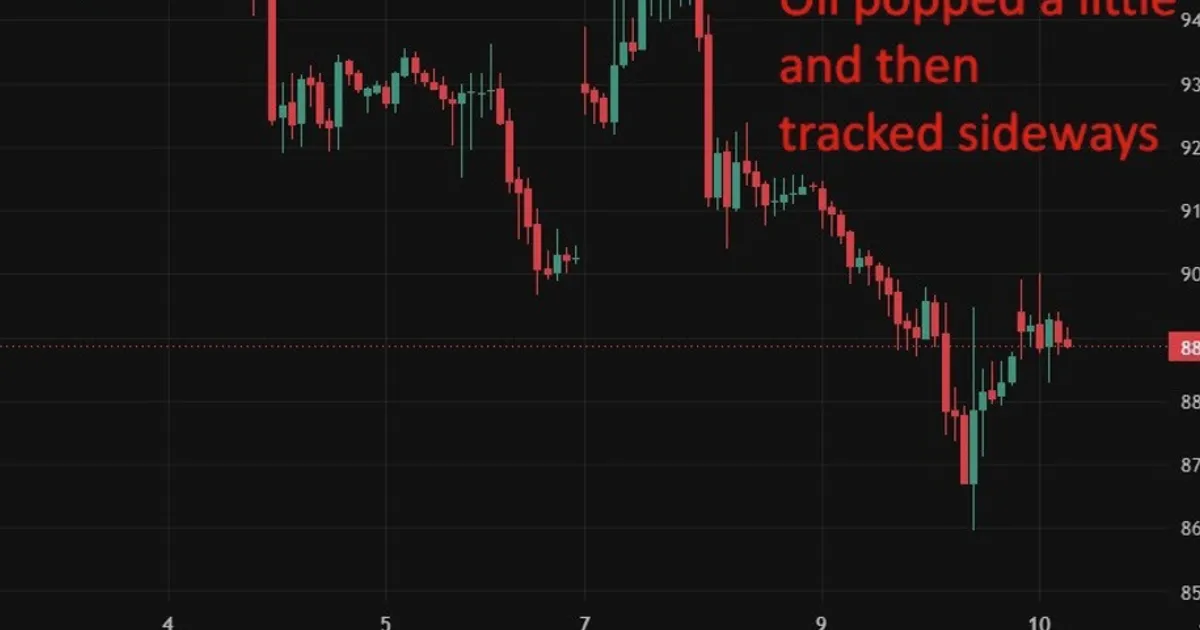
A dramatic escalation between the United States and Iran has sent shockwaves through financial markets, as a localized incident in the Strait of Hormuz spiraled into the most significant direct military exchange between the two countries since the conflict began in February.
The sequence of events unfolded rapidly. A US Army Apache helicopter was shot down by an Iranian drone the previous day. In response, Washington launched three waves of precision strikes targeting Iran's air defense and radar infrastructure that controls the Strait of Hormuz. Tehran retaliated beyond a symmetric response, firing missiles and drones simultaneously at US military bases in Bahrain, Kuwait and Jordan, claiming 21 targets hit including F-35 hangars and command infrastructure.
For foreign exchange and currency traders, this represents a classic risk-off shock. Safe-haven currencies such as the Japanese yen, Swiss franc and US dollar are seeing strong demand, while emerging market currencies and commodity currencies tied to the region face selling pressure. The Strait of Hormuz chokepoint raises immediate concerns about oil supply disruptions, pushing crude prices sharply higher and boosting the Canadian dollar and Norwegian krone on terms-of-trade effects. Traders can track these moves in real time on NowPrice's live FX dashboard to gauge the evolving risk sentiment.
Looking ahead, the key question is whether both sides de-escalate or whether this exchange marks the beginning of a broader confrontation. Markets will watch for any official statements from Washington and Tehran, as well as the response from Gulf states. Any further military action or disruption to shipping through Hormuz could trigger another wave of volatility, particularly in oil-linked currencies and the broader risk complex.