




US net oil exporter status shields dollar from energy shock hitting peers
RBC Capital Markets expects the dollar to drift higher within its 2026 trading range, citing yield, capital flows, and energy insulation from US net oil exporter status.
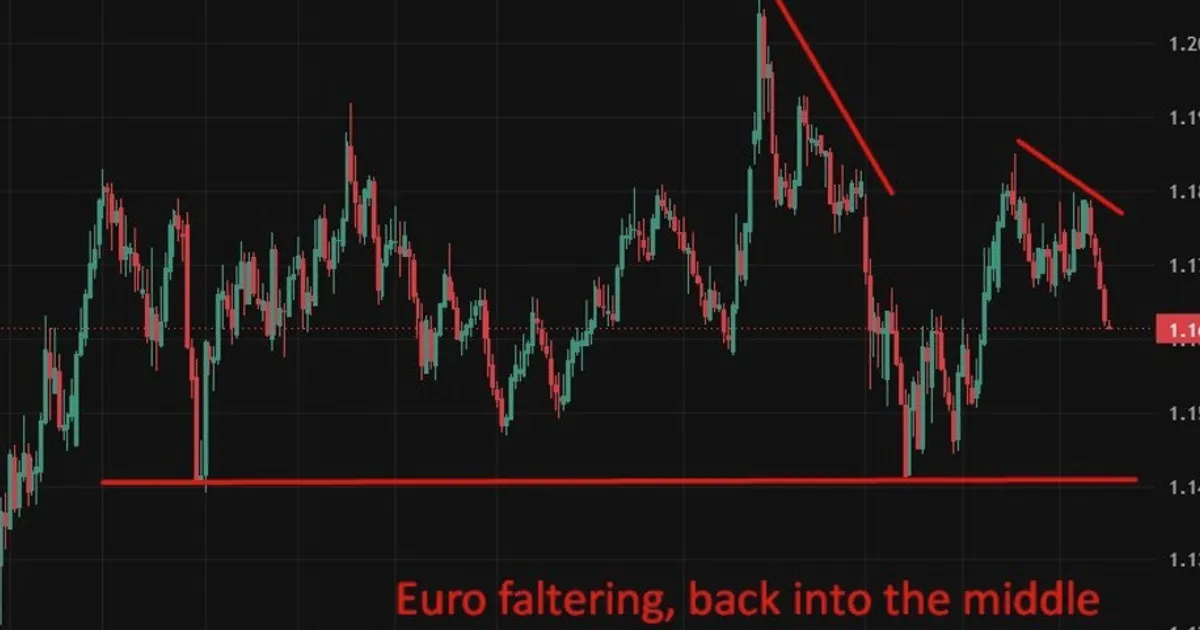
RBC Capital Markets expects the US dollar to grind higher within its 2026 trading range, recommending buys against the euro and Swiss franc on yield, flows, and energy insulation.
The US dollar is likely to grind higher in the coming months without breaking out of the trading ranges established so far this year, according to foreign exchange strategists at RBC Capital Markets. They laid out a case for near-term dollar strength built on yield, capital flows and energy insulation. In a note to clients, RBC's strategists argued there was no clear catalyst to sell the dollar at current levels. With the greenback offering a relatively high yield within the G-10 currency universe, attracting consistent inflows, the dollar is supported. Additionally, the US net oil exporter status shields the dollar from energy price shocks that hit other currencies, such as the euro and Swiss franc, which are more exposed to energy imports.
For foreign exchange and currencies traders, this analysis highlights a key divergence: the dollar's resilience versus peers vulnerable to energy costs. Traders can monitor these moves on NowPrice's live fx dashboard, tracking real-time changes in USD pairs. The yield advantage and energy insulation create a favorable backdrop for dollar longs, particularly against the euro and Swiss franc. RBC's recommendation to buy the dollar against these currencies reflects a view that the US economy is better positioned to withstand global energy volatility, while the eurozone and Switzerland face headwinds from higher import costs.
Looking ahead, traders should watch for key data releases that could test RBC's thesis. US inflation reports, Federal Reserve commentary, and energy price trends will be critical. If the dollar continues to hold within its 2026 range, the strategy of buying on dips against the euro and Swiss franc may prove profitable. However, any shift in Fed policy or a sharp drop in oil prices could alter the dynamics. RBC's call underscores the importance of energy exposure in currency markets, a factor that may persist as long as the US remains a net oil exporter.