




Blue Star Gold Updates Ulu Gold Project Resource Estimate
Blue Star Gold Corp. updates its Mineral Resource Estimate for the Ulu Gold Project in Nunavut, reporting 558,000 ounces of gold in measured and indicated categories.
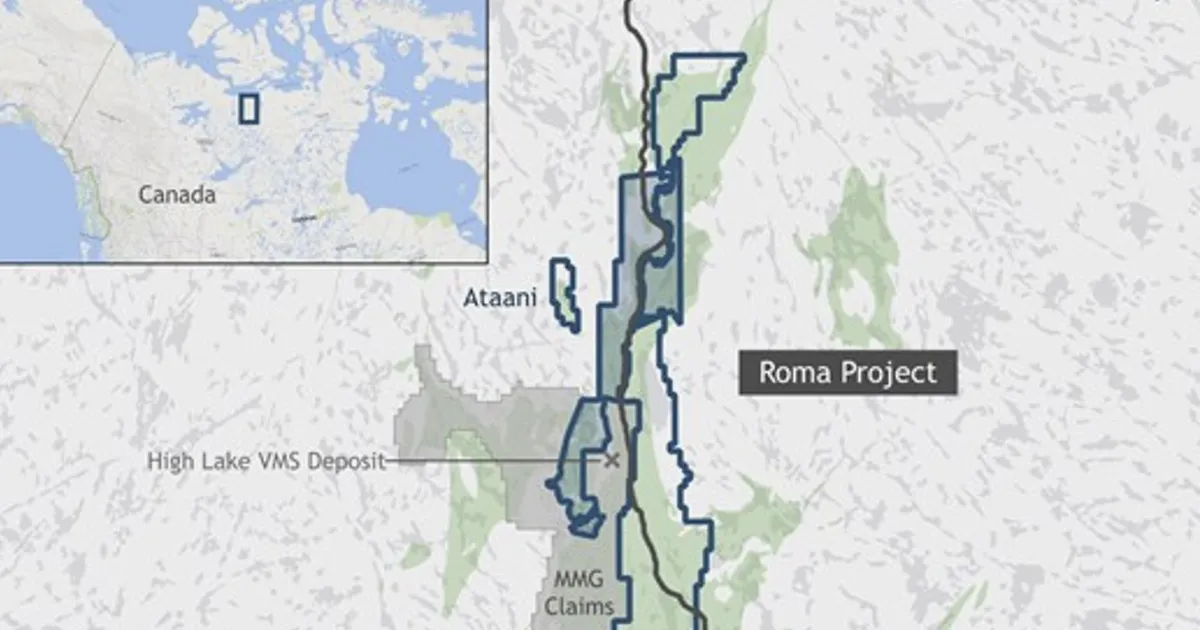
Blue Star Gold Corp. has announced an updated Mineral Resource Estimate for its Ulu Gold Project in the High Lake Belt, Nunavut, Canada. The estimate, which considers both open-pit and underground mining scenarios, is based on resources located within 1,500 metres of the proposed Grays Bay Road Project. The updated MRE reports a Measured and Indicated Mineral Resource of 2.204 million tonnes at an average grade of 7.87 grams per tonne gold, containing 558,000 ounces of gold. Additionally, an Inferred Mineral Resource of 3.263 million tonnes at an undisclosed grade was also reported. The project is situated in a region with developing infrastructure, which could support future mining operations. For gold traders, resource updates from junior miners like Blue Star provide insight into potential future supply, though the immediate impact on global gold prices is limited. Live gold prices and charts on NowPrice show how the broader market is reacting to supply-side news.
This update comes amid a broader backdrop of strong gold demand, with central banks globally having purchased over 1,000 tonnes of gold annually since 2022, a trend that underpins prices. Real US 10-year yields, which have an inverse correlation with gold, remain a key driver, as lower yields reduce the opportunity cost of holding non-yielding bullion. The COMEX-LBMA spread, which reflects arbitrage between futures and physical markets, has been monitored for signs of physical tightness. Meanwhile, ETF flows into major gold funds like GLD and IAU have been mixed, with investors weighing geopolitical risks against higher interest rates. Jewelry demand, particularly from India and China, remains a significant component of total demand, while investment demand through bars and coins has fluctuated with price levels. The US Dollar Index (DXY) also plays a crucial role, as a weaker dollar typically boosts gold prices. For Blue Star, the resource update is a positive step, but the project's viability will depend on gold prices, infrastructure costs, and permitting.
Looking ahead, the company may conduct further drilling to expand the resource or advance feasibility studies. Investors will monitor progress on the Grays Bay Road, as improved access could reduce project costs. The gold market will also watch for production decisions from other developers in the region, as well as macroeconomic data that could influence gold prices, such as US inflation reports and Federal Reserve policy signals. The interplay between physical demand and financial market dynamics will continue to shape gold's trajectory, with supply-side news from junior miners like Blue Star providing niche insights for traders.