




Central banks buy gold for crisis hedge, 90% cite performance in turmoil
A World Gold Council survey reveals that 90% of central banks hold gold primarily for its performance during crises, reinforcing the metal's role as a safe haven amid rising geopolitical and inflation risks.
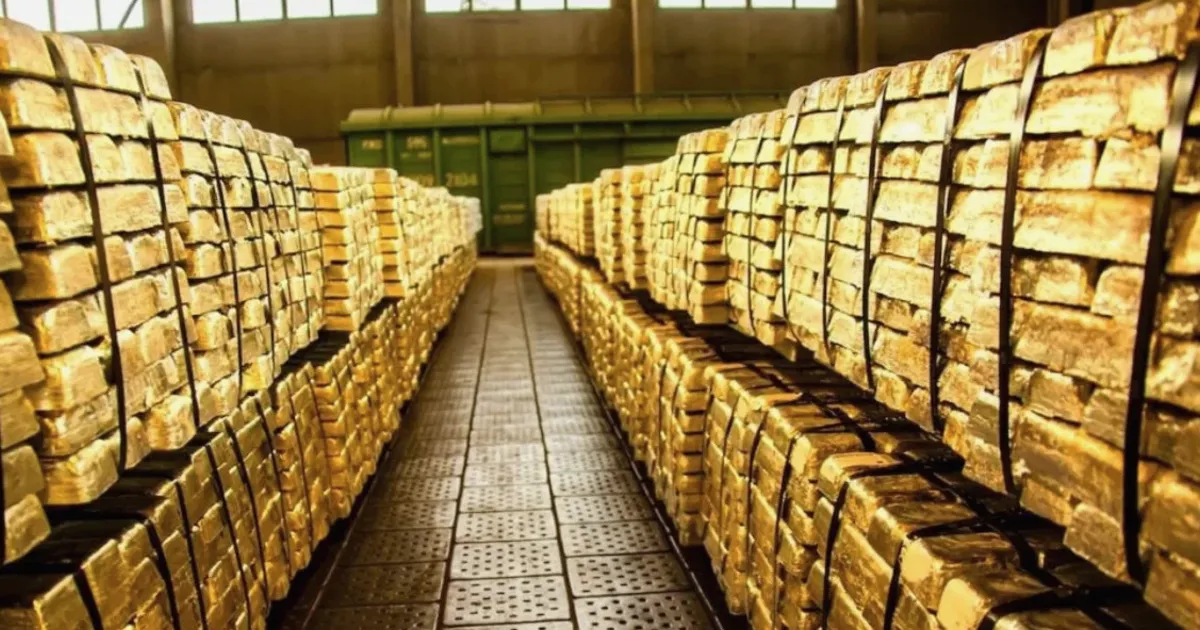
Central banks are increasingly turning to gold as a hedge against financial crises, inflation and geopolitical risks, according to a World Gold Council survey highlighted by market commentator The Kobeissi Letter.
The survey of 69 central banks found that 90% of respondents cited gold's performance during periods of crisis as a primary reason for holding the precious metal. This underscores a structural shift in official sector demand, which has been a key driver of gold prices in recent years. Central banks have been net buyers of gold since 2022, with purchases reaching multi-decade highs as nations diversify reserves away from the US dollar.
For gold traders, this trend provides a solid demand floor. Central bank buying is typically price-insensitive and long-term oriented, meaning it absorbs supply regardless of short-term price fluctuations. This dynamic supports gold even when other demand components, such as jewelry or ETF holdings, weaken. Traders can monitor central bank gold reserve data and World Gold Council reports for signals, and check NowPrice's gold page for real-time pricing context.
Looking ahead, the survey suggests that central banks are likely to maintain or increase their gold allocations amid ongoing geopolitical tensions and concerns about fiscal sustainability in major economies. Key data to watch include quarterly central bank gold reserve reports from the IMF and World Gold Council, as well as any shifts in US real yields or dollar index trends that could influence gold's relative appeal.