




Copper Outshines Gold and Silver as AI Boom Drives Industrial Demand
Copper has rallied 11% year-to-date, outperforming gold and silver, as AI infrastructure demand boosts industrial metals, shifting investor focus toward copper ETFs.
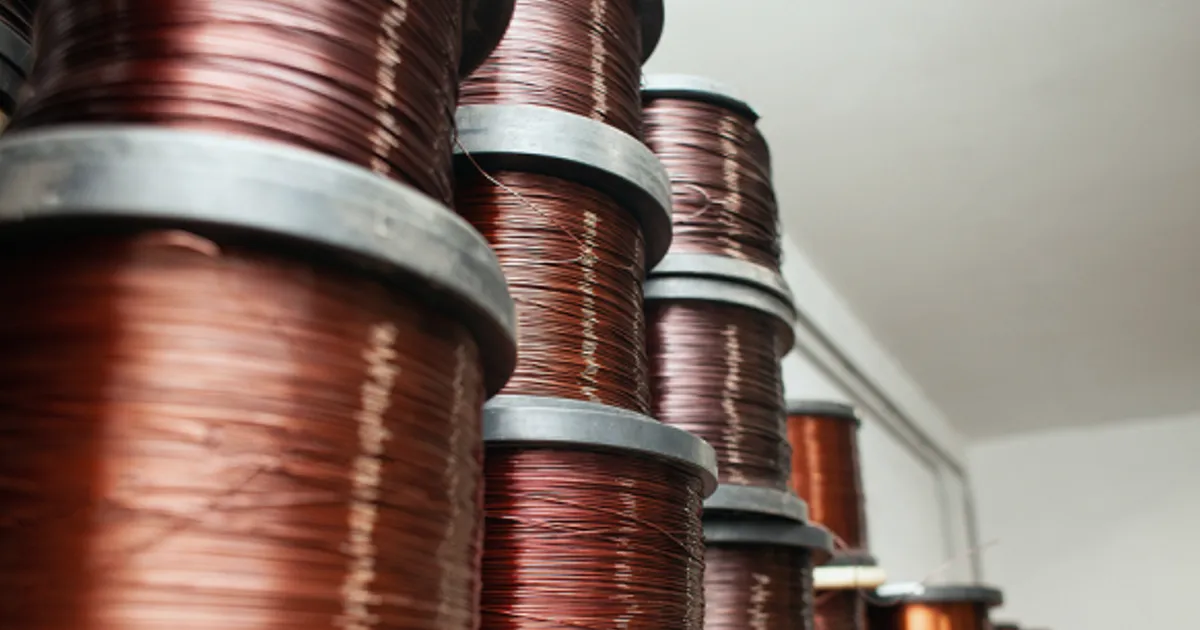
Copper has emerged as the top-performing metal in 2026, with the S&P GSCI Copper index surging 11% year-to-date, outpacing silver's nearly 7% gain and gold's 4% rise. The rally is driven by unprecedented industrial demand tied to the artificial intelligence boom, as AI data centers and related infrastructure require vast amounts of conductive metals. This industrial demand contrasts with gold and silver, which have historically been influenced by central bank buying—global central banks purchased over 1,000 tonnes of gold in 2022 and 2023, supporting prices despite higher real yields. However, copper's performance reflects a structural demand story linked to technological transformation, while gold's safe-haven appeal has been tested by a rising real US 10-year yield, which typically exerts downward pressure on gold prices. The COMEX-LBMA spread for gold has widened at times, signaling physical delivery stress, but copper's rally remains firmly tied to AI-driven consumption.
For precious metals traders, this shift highlights a changing landscape where industrial demand is increasingly influencing metal prices. While gold and silver have traditionally been viewed as inflation hedges and safe havens, copper's performance reflects a structural demand story linked to technological transformation. Traders can monitor these diverging trends on NowPrice's live gold and metals dashboard, tracking real-time price action across the complex. ETF flows provide additional insight: GLD and IAU, the largest gold ETFs, have seen mixed inflows as investors weigh gold's role against copper's growth narrative, while silver ETFs benefit from both industrial and investment demand. The DXY inverse correlation with gold remains intact, but copper's price action is more tied to global manufacturing PMIs and AI capital expenditure, reducing its sensitivity to dollar moves.
Looking ahead, the key question is whether copper's momentum can sustain as AI infrastructure spending continues to scale. Investors are also watching for potential supply constraints in copper mining, which could further widen the performance gap between industrial and precious metals. Data releases on global manufacturing activity and AI-related capital expenditure will be critical in determining the next leg for these markets. Additionally, jewelry demand for gold, which accounts for about 50% of annual consumption, may soften if high prices persist, while investment demand through ETFs and bars remains sensitive to real yield expectations. The interplay between these factors will shape the relative performance of copper, gold, and silver in the coming months.