




Alan Greenspan, most powerful Fed chairman of the modern era, dies at 100
Alan Greenspan, who led the Federal Reserve for nearly two decades and shaped modern central banking, has died at age 100, prompting reflection on his legacy in interest rate policy.
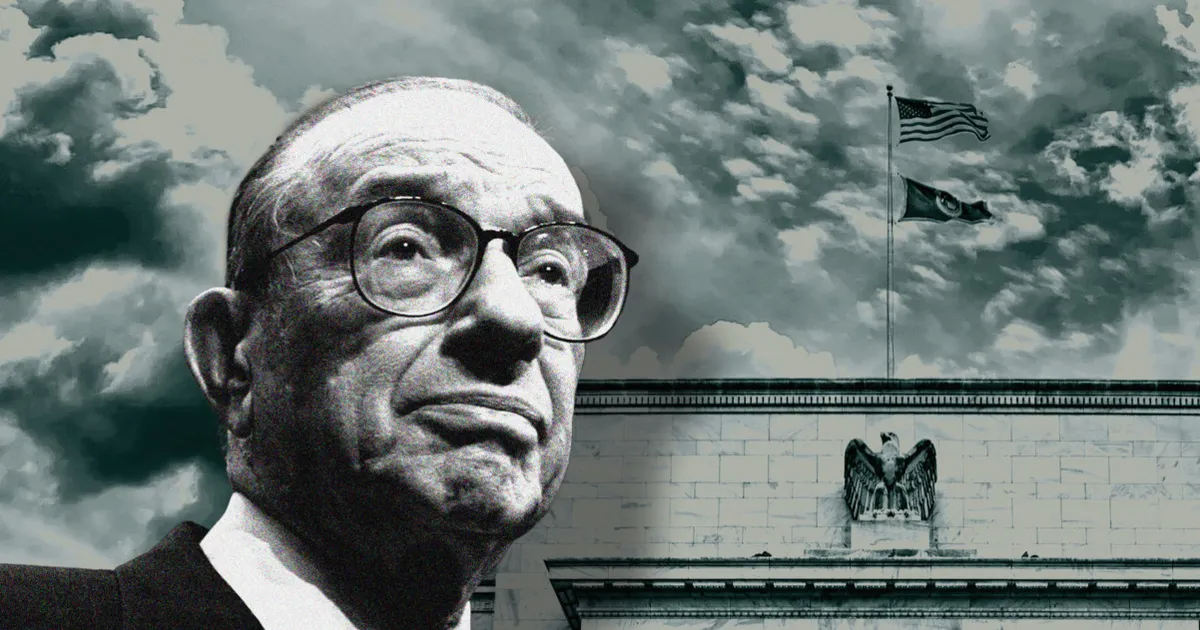
Alan Greenspan, the most influential Federal Reserve chairman of the modern era, has died at age 100. He led the US central bank for nearly 19 years, from 1987 to 2006, presiding over a period of low inflation, steady growth, and financial innovation.
Greenspan's tenure was marked by his deft handling of the 1987 stock market crash, the 1990s tech boom, and the aftermath of the 2001 dot-com bust. He was known for his cryptic communication style and his belief in the power of markets to self-correct. His legacy is complex: he is credited with guiding the economy through the 'Great Moderation' but also criticized for keeping interest rates too low in the early 2000s, which some argue fueled the housing bubble that led to the 2008 financial crisis.
For traders, Greenspan's death is a moment to reflect on the evolution of central bank policy. The Fed he led was far more opaque and less data-dependent than today's committee. Under Greenspan, the Fed rarely gave explicit forward guidance, and rate decisions were often a surprise. The current Fed, under Jerome Powell, has embraced transparency and communication as key tools. As markets digest this news, traders may consider how far central banking has come and how the lessons from Greenspan's era still influence policy debates, especially around the balance between inflation control and financial stability.