




Asia’s Currency Fight Moves Offshore as Central Banks Push Back
Asian central banks are increasingly confronting currency pressures that originate from offshore markets, complicating their policy responses and raising the stakes for regional rate decisions.
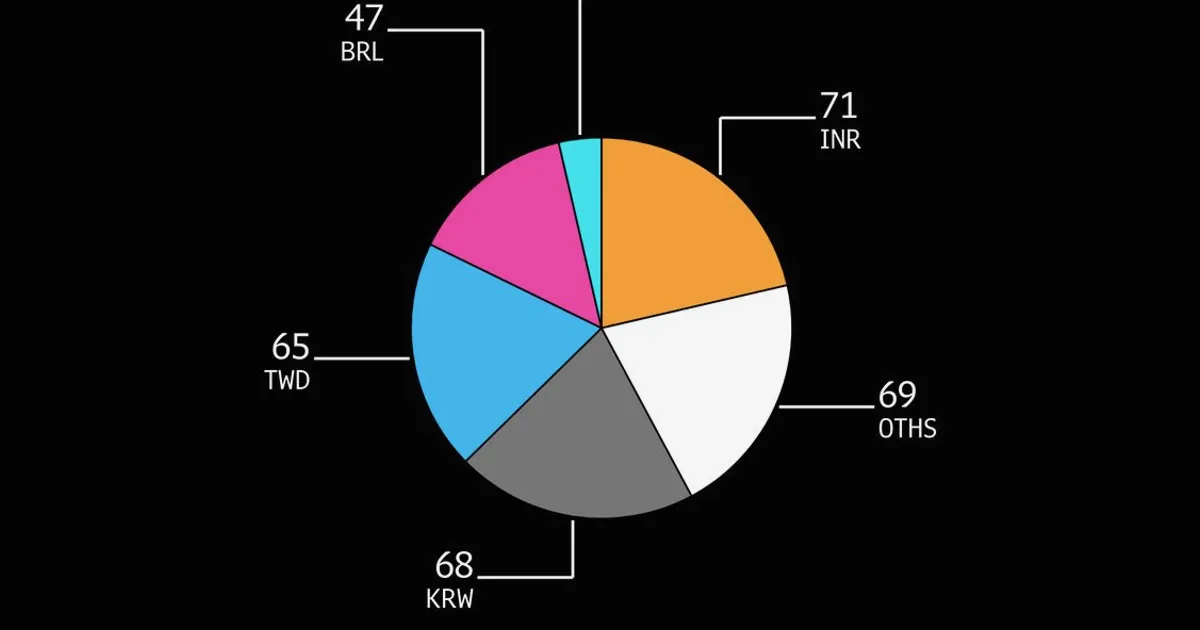
Asian central banks are increasingly confronting currency pressures that originate from offshore markets, complicating their policy responses and raising the stakes for regional rate decisions.
The traditional playbook for defending a currency involves direct intervention in the onshore spot market, but a growing share of pressure now comes from offshore trading venues, such as non-deliverable forwards (NDFs) and offshore bond markets. These venues allow speculative positions to build without the constraints of onshore capital controls, forcing central banks to deploy a wider range of tools. For example, some Asian central banks have begun tightening liquidity in the offshore renminbi market or adjusting the cost of shorting their currencies via NDFs. The shift reflects the increasing financial integration of Asian economies, even as policymakers seek to maintain monetary autonomy.
For interest rate and central bank policy traders, this development is critical because it links currency stability directly to rate differentials. When offshore pressure builds, central banks may be forced to hike rates preemptively to defend the currency, even if domestic inflation is subdued. This can invert the typical policy sequence, where rate decisions are driven by domestic conditions. Live rates and charts on NowPrice show how the market is reacting to these cross-border dynamics, with implied yields on offshore instruments often diverging from onshore benchmarks. Traders should watch the spread between onshore and offshore interest rate swaps, as widening gaps signal increased offshore pressure.
Looking ahead, the key data points to monitor are the upcoming central bank meetings in Indonesia, South Korea, and Thailand, where policymakers will need to balance currency defense against slowing growth. Additionally, any shift in the Federal Reserve's stance will have outsized effects on Asian currencies, as the dollar-Asia rate differential remains a primary driver. Traders should also track NDF volumes and offshore bond issuance, as these are early indicators of speculative positioning. The battle for currency stability is increasingly fought offshore, and the tools central banks use will shape the region's rate landscape for the rest of the year.