




Australia services PMI falls to 48.7 as Middle East war hits demand
Australia's services PMI dropped to 48.7 in May, signaling contraction as new orders fell at the fastest pace in two and a half years due to Middle East conflict.
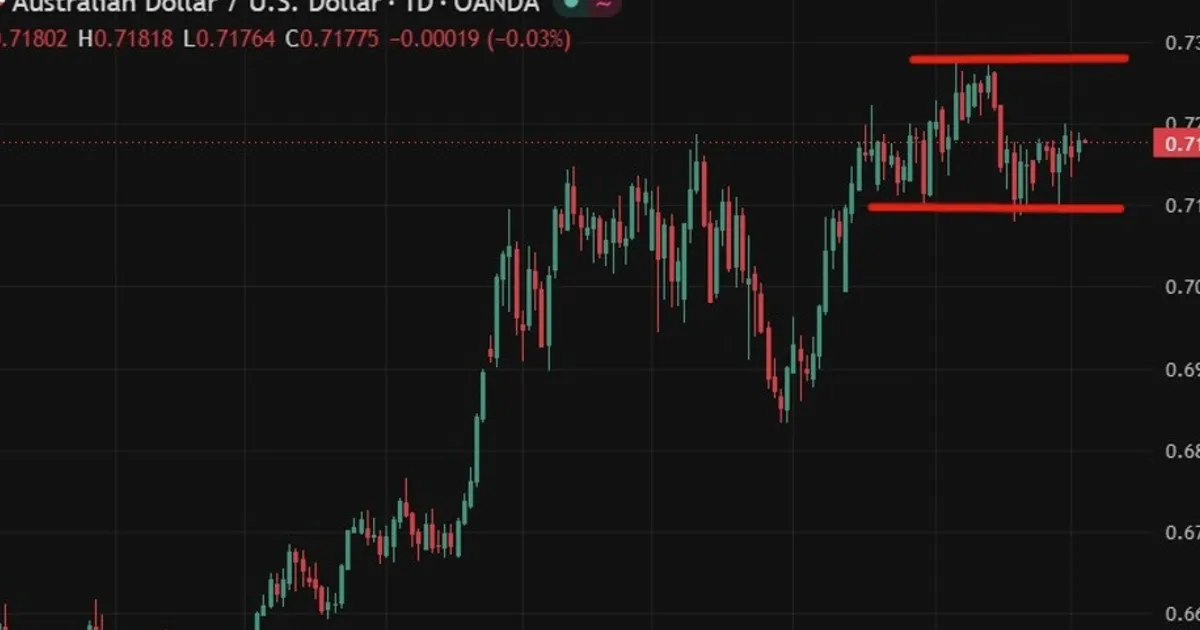
Australia's services sector contracted in May for the second time in three months, with the S&P Global Australia Services PMI Business Activity Index falling to 48.7 from 50.7 in April. The reading dropped below the 50.0 threshold that separates expansion from contraction, driven by a sharp decline in new orders, which fell at the fastest pace in nearly two and a half years. Employment also declined for the first time since late 2024, adding to signs of weakening domestic demand.
The contraction reflects the ongoing economic fallout from the Middle East war, which has squeezed demand and inflated costs across the Australian economy. For traders focused on interest rates and central bank policy, the weakening services sector reduces the likelihood of further rate hikes by the Reserve Bank of Australia, as the central bank balances inflation pressures against slowing growth. The decline in employment and new orders suggests that the RBA's tightening cycle may be nearing its end, with markets now pricing in a higher probability of rate cuts later this year. For current pricing on Australian bond yields and rate expectations, check NowPrice's rates page.
Looking ahead, traders will watch the upcoming Australian GDP data and the RBA's next policy meeting for further clues on the economic trajectory. A sustained contraction in services could accelerate the timeline for rate cuts, especially if inflation shows signs of easing. The Middle East conflict remains a key wildcard, as any escalation could further disrupt supply chains and push up costs, complicating the RBA's policy decisions.