




Bank of Korea Minutes Reveal Broader Support for Rate Hike
Minutes from the Bank of Korea's May meeting show a growing consensus among policymakers for tighter monetary policy, with even some who voted to hold rates citing rising inflation risks.
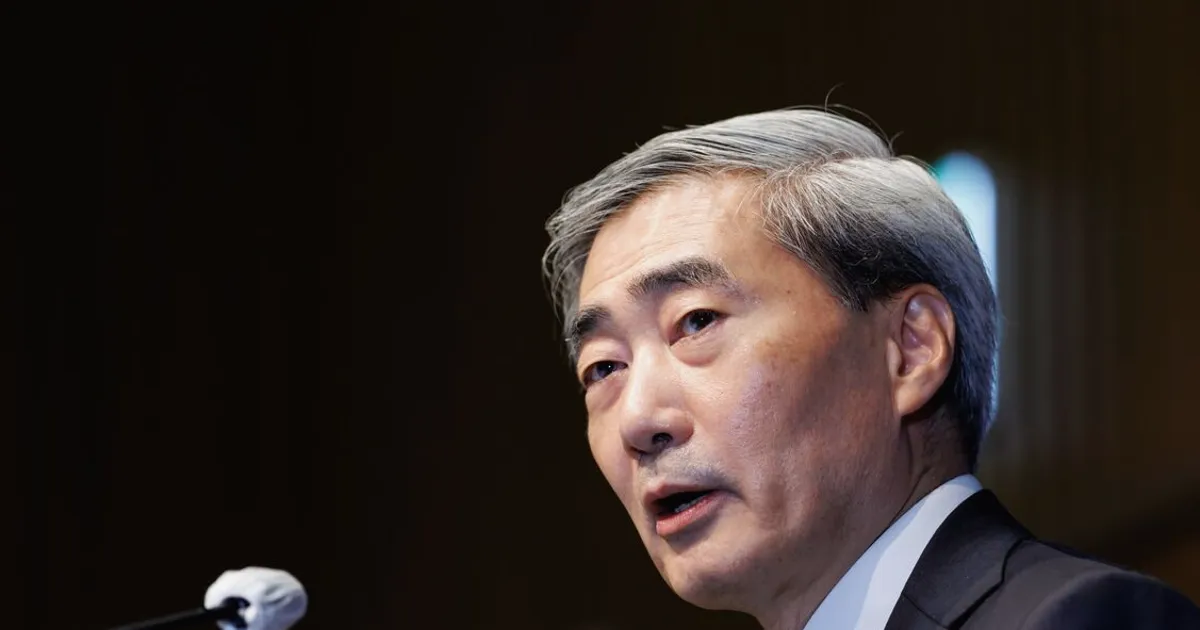
The Bank of Korea's minutes from its May policy meeting reveal a broader shift toward hawkish sentiment among policymakers, with even some members who voted to keep rates unchanged acknowledging that inflation risks are beginning to outweigh the costs of tighter policy. The central bank held its benchmark interest rate at 3.50% in May, but the minutes suggest that the debate is increasingly tilted toward a rate hike in the coming months. This internal shift mirrors a global trend where central banks are grappling with the dual mandate of price stability and maximum employment, but with inflation proving stickier than anticipated, the balance is tipping toward tighter monetary conditions. The minutes show that while the decision was unanimous, the discussion revealed a growing consensus that the risks of delaying action could undermine the bank's credibility in anchoring inflation expectations.
For traders monitoring interest rate differentials and central bank policy, the minutes signal that the Bank of Korea is aligning with the global tightening trend. A rate hike would narrow the yield spread between Korean bonds and those of major economies, potentially attracting foreign capital inflows. This dynamic is particularly relevant in the context of yield-curve analysis, where a flattening or inversion can signal recession fears, but here the narrowing spread reflects relative monetary policy divergence. The term-premium decomposition suggests that investors are demanding higher compensation for holding longer-dated Korean bonds due to uncertainty about the pace of tightening. Additionally, the Bank of Korea's balance sheet, which expanded during the pandemic, may see gradual reduction as rates rise, impacting liquidity conditions. Swap spreads in the Korean market could also widen as hedging costs adjust to the new rate environment. Traders can track real-time movements in Korean bond yields and the won on NowPrice's live rates dashboard to gauge market expectations.
Looking ahead, market participants will focus on upcoming inflation data and the Bank of Korea's quarterly economic outlook for further clues on the timing of a rate increase. The next policy meeting is scheduled for July, and the minutes suggest that a hike is increasingly likely if inflation pressures persist. The bank will also weigh external factors, such as the European Central Bank's transmission protection mechanism, which could influence global risk appetite and capital flows. If the ECB tightens further, it may add to the hawkish momentum in Asia. Domestically, the won's exchange rate will be a key variable, as a weaker currency could exacerbate imported inflation. The July meeting will be a critical test of whether the Bank of Korea follows through on its hawkish rhetoric, with markets pricing in a high probability of a 25-basis-point hike.