




Bank of Korea Signals Rate Hike Needed as Inflation, Growth Pick Up
The Bank of Korea reiterated that policy rates need to rise at an appropriate time, reinforcing its hawkish stance ahead of next week's meeting where a rate hike is possible.
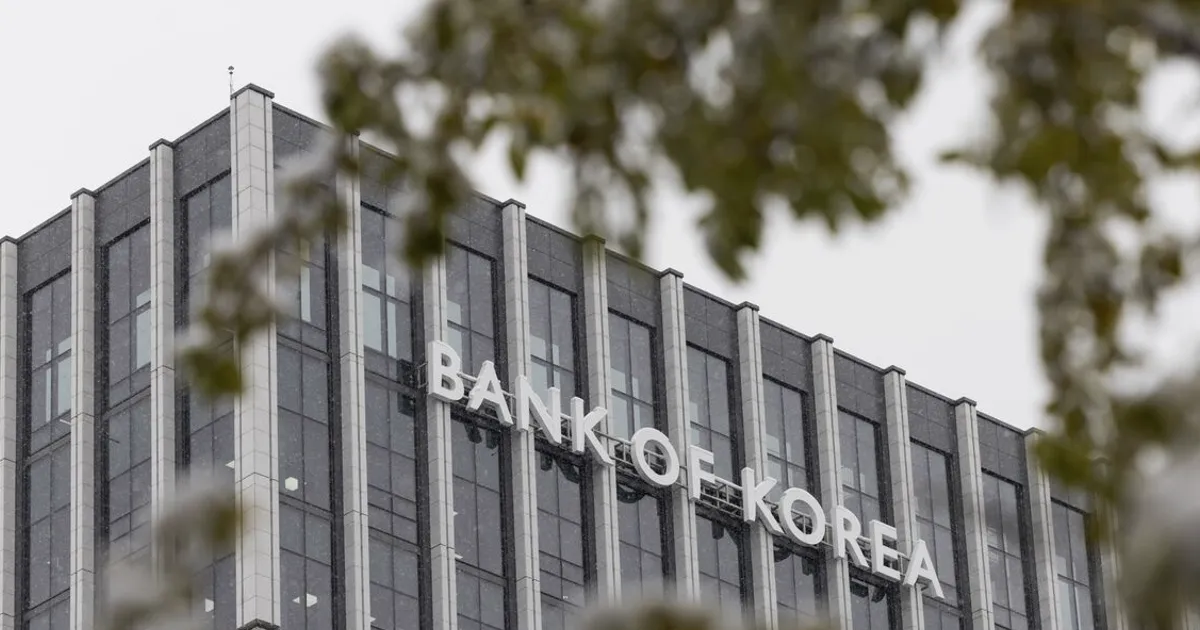
The Bank of Korea (BOK) has reiterated that policy rates will need to rise at an appropriate time, reinforcing its hawkish stance just a week before policymakers meet to decide on whether to resume tightening. The central bank cited higher inflation and stronger growth as key factors behind the need for a rate increase. This forward guidance aligns with the BOK's dual mandate of price stability and sustainable growth, as consumer inflation has remained above the 2% target and GDP growth has exceeded potential. The BOK's hawkish tone suggests a potential rate hike in the near term, which would follow a previous tightening cycle that paused amid global uncertainty.
For traders focused on interest rates and central bank policy, the BOK's signal is significant as it suggests a potential shift in the rate cycle. A rate hike would widen the interest rate differential with major economies like the US, potentially supporting the Korean won and impacting bond yields. The yield curve may steepen if short-term rates rise faster than long-term expectations, while term-premium decomposition could reveal increased compensation for inflation risk. Additionally, the BOK's balance-sheet normalization, through reduced bond purchases, could tighten financial conditions. Traders can monitor the BOK's decision and market reactions on NowPrice's live rates dashboard, alongside swap spreads that gauge interbank stress.
Looking ahead, the key event is the BOK's monetary policy meeting next week. Market participants will watch for any change in the language regarding the pace of tightening, especially in the context of global central bank divergence. Data on inflation and GDP growth in the coming months will also be crucial in determining the timing and magnitude of any rate increase. The BOK may also consider external factors such as the ECB's transmission protection mechanism, which could influence capital flows. A rate hike could align Korea with the Federal Reserve's tightening cycle, reducing the risk of currency depreciation and imported inflation.