




Bitcoin Plunge Undermines Inflation-Hedge Narrative
Bitcoin's 36% annual decline and slip below $70,000 challenge its status as a digital inflation hedge, raising questions about its role in diversified portfolios.
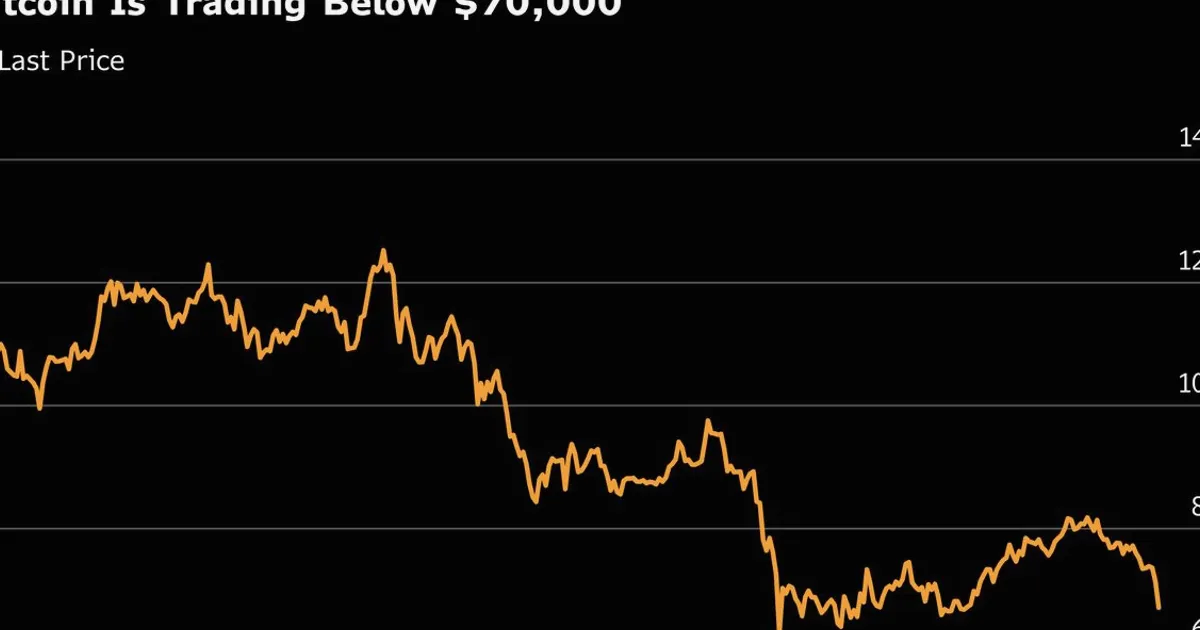
Bitcoin has fallen 36% over the past year and slipped below $70,000 this week, extending a retreat that is undermining several of the arguments that helped carry the cryptocurrency into the financial mainstream. The decline challenges the narrative that Bitcoin serves as a digital inflation hedge, a key selling point for institutional adoption. As central banks globally continue to tighten monetary policy to combat inflation—operating under the Fed's dual mandate of price stability and maximum employment—Bitcoin's correlation with risk assets like equities has remained high, weakening its diversification benefits. This correlation reflects the impact of tighter financial conditions, which compress liquidity and reduce appetite for speculative assets. The yield curve has inverted as short-term rates rise faster than long-term rates, a classic signal of tightening that historically pressures risk assets. For interest rate traders, the move underscores how tightening financial conditions can pressure speculative assets, even those marketed as inflation-resistant. The term premium, which compensates investors for holding long-term bonds, has shifted as the Fed's balance sheet runoff reduces excess reserves, tightening swap spreads and raising funding costs. NowPrice's real-time rates quotes show the latest levels across major asset classes.
Looking ahead, traders will monitor whether Bitcoin can reclaim the $70,000 level and stabilize above key moving averages. The next Federal Reserve meeting and inflation data releases will be critical in shaping risk sentiment. A sustained break below $70,000 could trigger further selling, while a rebound may restore some confidence in the inflation-hedge thesis, though the narrative has clearly been damaged. The ECB's Transmission Protection Instrument (TPI) also warrants attention, as European rate moves can spill over into global risk appetite. If inflation remains sticky, the Fed may need to maintain higher rates for longer, further compressing term premiums and weighing on Bitcoin. Conversely, a dovish pivot could revive the inflation-hedge narrative, but the damage to its credibility may persist.