




BlackRock Sees Sufficient Factors to Justify Fed Rate Cut
BlackRock's Saigal says the Federal Reserve has sufficient factors to justify a rate cut under new chair Kevin Warsh, signaling a potential shift in monetary policy.
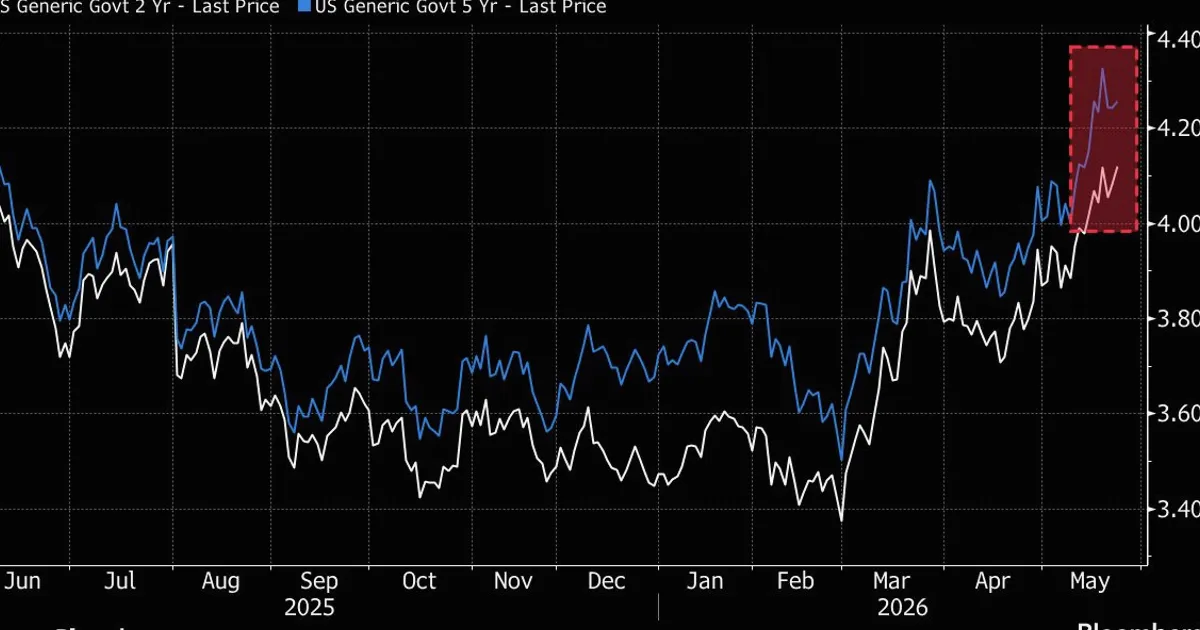
BlackRock's Saigal has stated that the Federal Reserve may have sufficient factors to justify an interest rate cut rather than a hike under new chairman Kevin Warsh. This view comes amid ongoing debates about the direction of US monetary policy, with markets closely watching for any signals from the Fed. Saigal's assessment likely draws on the Fed's dual mandate of maximum employment and price stability, where recent data showing a softening labor market and inflation trending toward the 2% target could provide the rationale for easing. The yield curve has also been a focus, with its inversion historically signaling recession risk; a cut could help steepen the curve by lowering short-term rates. Additionally, the term premium—the compensation investors demand for holding longer-term bonds—has been compressed, partly due to quantitative tightening unwinding, which may give the Fed room to adjust policy without stoking inflation.
The comment from a major asset manager like BlackRock carries weight in financial markets, as it reflects the perspective of a key institutional investor. For interest rate traders, this suggests a potential shift in the rate outlook, which could impact bond yields and the dollar. A rate cut would typically lower short-term yields and weaken the currency, while boosting risk assets. Traders can monitor real-time rate quotes on NowPrice to track market reactions. The broader context includes the Fed's balance-sheet runoff, which has tightened financial conditions; a cut could offset some of that drag. Swap spreads, which measure the cost of exchanging fixed for floating rates, have widened recently, indicating stress in funding markets—another factor that might support a more accommodative stance. In Europe, the ECB's Transmission Protection Instrument (TPI) serves as a parallel tool to manage spreads, highlighting how central banks globally are balancing inflation control with financial stability.
Looking ahead, market participants will focus on upcoming economic data, including inflation and employment figures, as well as speeches from Fed officials. The transition to Kevin Warsh as chair adds uncertainty, and any hints about the timing or magnitude of a potential cut will be closely scrutinized. The next FOMC meeting will be a key event for rate expectations. Traders should also watch for changes in the Fed's balance-sheet policy, as any slowdown in quantitative tightening could signal a shift toward easing. The interplay between domestic data and global risks—such as trade tensions or geopolitical shocks—will further shape the rate path, making NowPrice's real-time updates essential for staying ahead of market moves.