




Bolivia Shifts to Flexible Exchange Rate After 15-Year Peg
Bolivia announced a shift to a flexible exchange-rate system after maintaining a fixed peg for 15 years, aiming to strengthen macroeconomic stability.
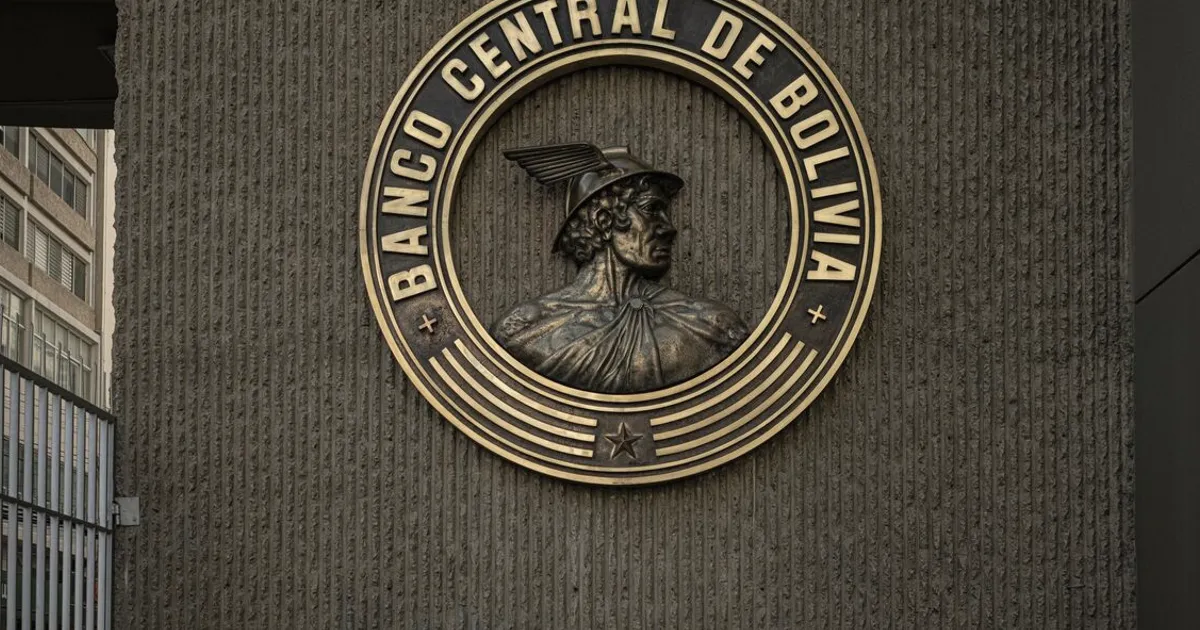
Bolivia's Finance Ministry announced Friday that the country is moving to a flexible exchange-rate system, ending a 15-year period of a fixed peg. The decision aims to strengthen macroeconomic stability and improve the economy's resilience to external shocks. Under the previous fixed regime, the central bank had to intervene heavily in foreign exchange markets to maintain the peg, which drained international reserves and constrained monetary policy. The new system allows the boliviano to float freely, with the central bank potentially intervening only to prevent disorderly market conditions.
For traders focused on interest rates and central bank policy, this shift has significant implications. A flexible exchange rate allows the central bank to regain monetary policy autonomy, which had been constrained by the need to defend the peg. This could lead to a more independent monetary policy stance, potentially affecting interest rate decisions. In a fixed regime, the central bank's policy rate is largely dictated by the need to maintain the peg, often requiring higher rates to attract capital or lower rates to stimulate growth. With flexibility, the central bank can now focus on domestic objectives, such as controlling inflation or supporting employment, aligning with the dual mandate concept seen in major economies. The move may also reduce the risk of a sudden devaluation, which had been a concern given Bolivia's declining foreign reserves. Traders can monitor the boliviano's reaction on NowPrice's live rates dashboard to gauge market sentiment. Additionally, the shift could impact yield curves and swap spreads, as market participants reassess Bolivia's risk premium and the central bank's credibility.
Looking ahead, market participants will watch for the central bank's first policy decision under the new regime, as well as any accompanying measures to manage the transition. Key data releases, such as inflation and reserve levels, will be closely monitored. The success of the shift will depend on the credibility of the new framework and the government's commitment to fiscal discipline. Traders should also watch for any signs of currency overshooting or volatility, which could prompt the central bank to intervene. The transition may involve a period of adjustment, as the economy adapts to the new exchange-rate regime. Over time, a credible flexible system can enhance the transmission of monetary policy, reduce the risk of balance-of-payments crises, and support long-term growth. However, if fiscal discipline falters, the boliviano could come under pressure, leading to higher inflation and interest rates.