




Bolivia Tells Investors FX Unification, IMF Deal Coming Soon
Bolivia has signaled to investors that it is close to securing an IMF financing program, likely after adopting a floating exchange rate to replace its long-standing dollar peg.
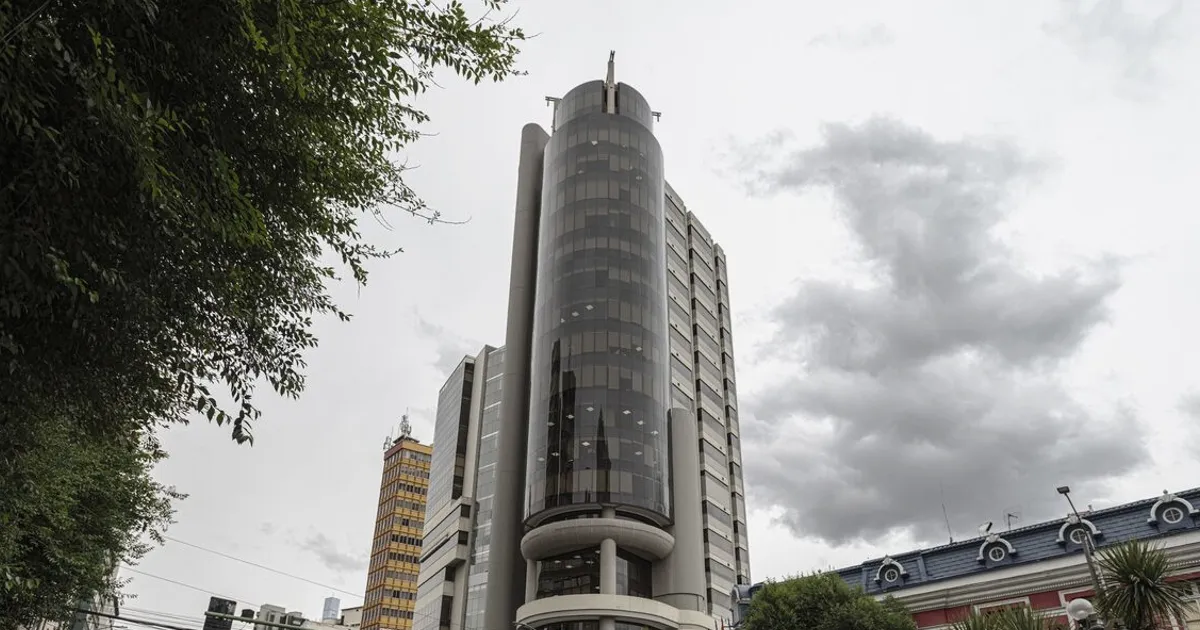
Bolivia has informed investors that it is on the verge of finalizing a financing program with the International Monetary Fund, with the move expected to follow the introduction of a floating exchange rate regime. The country has maintained a dollar peg for over 15 years, but persistent foreign exchange shortages and dwindling reserves have made the peg increasingly untenable. The shift to a floating rate would mark a significant policy pivot for the Andean nation, which has relied on the peg to control inflation and provide stability.
For interest rate and central bank policy traders, the potential unpegging of the Boliviano carries implications for emerging market currency risk and regional rate differentials. A move to a floating exchange rate typically leads to an initial depreciation, which could fuel inflation and force the central bank to hike rates to defend the currency. Conversely, securing an IMF deal would provide a financial backstop, potentially stabilizing investor sentiment and reducing sovereign risk premiums. Live rates prices and charts on NowPrice show how emerging market currencies are reacting to the news, with the Boliviano likely to face volatility as details emerge.
Looking ahead, traders will focus on the timing of the exchange rate reform and the terms of the IMF program. Key data to watch include Bolivia's foreign reserve levels, inflation prints, and any official announcements regarding the new exchange rate mechanism. The IMF deal is expected to come with conditions such as fiscal consolidation and monetary tightening, which could weigh on growth but restore credibility. Market participants will also monitor spillover effects on neighboring economies and broader emerging market debt markets.